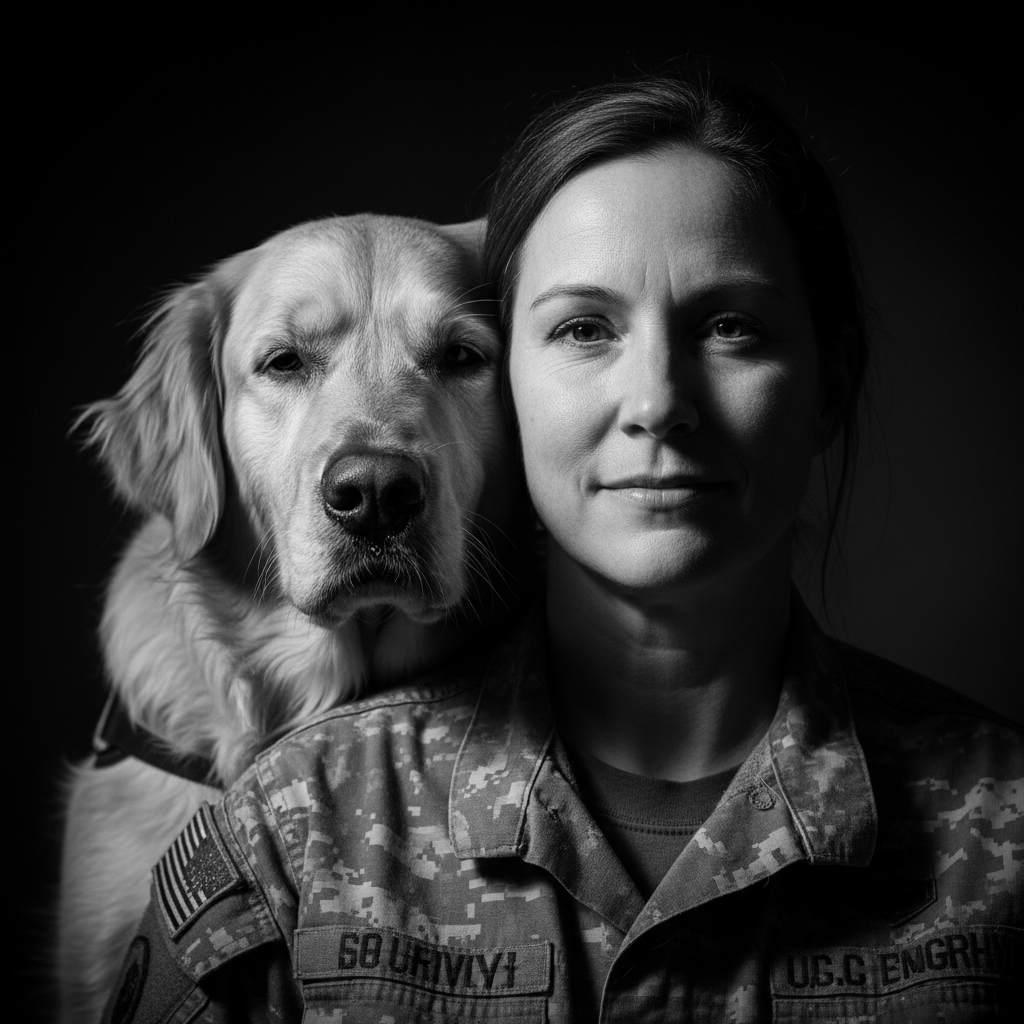
Mastering the VA Claims Process: A Guide for Veterans
Navigating VA disability claims can be complex. Learn how to successfully file, prepare for your C&P exam, and secure the veterans benefits you earned.
Understanding the VA Disability Claims Process
Navigating the complex landscape of VA disability benefits is often a source of stress for many veterans. Understanding how to file a VA disability claim correctly is the first step toward securing the financial support and veteran healthcare you deserve. Whether you are filing an initial claim or seeking to increase VA disability rating percentages, the foundation of your success lies in the strength of your VA evidence.
The Core Requirements for Service Connection
To receive disability compensation, you must establish a service connected disability. This generally requires three primary elements:
- A current medical diagnosis of a disability.
- Evidence of an in-service event, injury, or illness.
- A medical nexus linking your current condition to your military service.
Without a strong nexus letter, your claim may face unnecessary delays or denials. This document acts as the bridge between your current health status and your time in service.
The Role of C&P Exam Preparation
Your C&P exam is a critical component of the VA claims process. This evaluation is not a traditional doctor-patient visit; it is a forensic evaluation used by the VA to determine the severity of your condition. To prepare, ensure you have organized all relevant medical records and consider how your symptoms impact your daily life.
Leveraging Buddy Statements and Lay Evidence
If clinical evidence is sparse, buddy statements and lay statements can provide essential context regarding the onset or progression of your condition. These statements offer a personal narrative that medical records alone cannot convey, especially for conditions like PTSD VA or tinnitus VA, which are common among the veteran population.
Understanding Disability Compensation Rates and Ratings
The VA assigns a disability rating based on the severity of your conditions. These ratings determine your VA disability compensation rates. If your combined service-connected disabilities prevent you from maintaining substantial gainful employment, you may be eligible for Total Disability Individual Unemployability (TDIU). This allows veterans to receive compensation at the 100% rate even if their combined rating is lower.
Navigating Appeals and Denials
If you receive a decision you disagree with, do not lose hope. The VA appeal process allows for multiple avenues of review, including a Supplemental Claim, a Higher-Level Review, or an appeal to the Board of Veterans' Appeals. Always review your decision letter carefully to understand exactly what evidence was missing.
Next Steps for Your Claim
Successfully navigating your claim is a marathon, not a sprint. Remember these actionable tips:
- Gather all your medical service treatment records.
- Write a personal statement detailing the impact of your disability on your occupational and social functioning.
- Review the current VA disability rating criteria for your specific condition.
- Seek professional guidance if you feel your claim has been unfairly denied.
If you are struggling to navigate the bureaucracy or need assistance with your nexus letter or claim preparation, don't face the VA alone. Contact an accredited representative today to review your case and ensure your file is as strong as it can be. Your service was invaluable; your benefits are your right.
RELATED TOPICS: