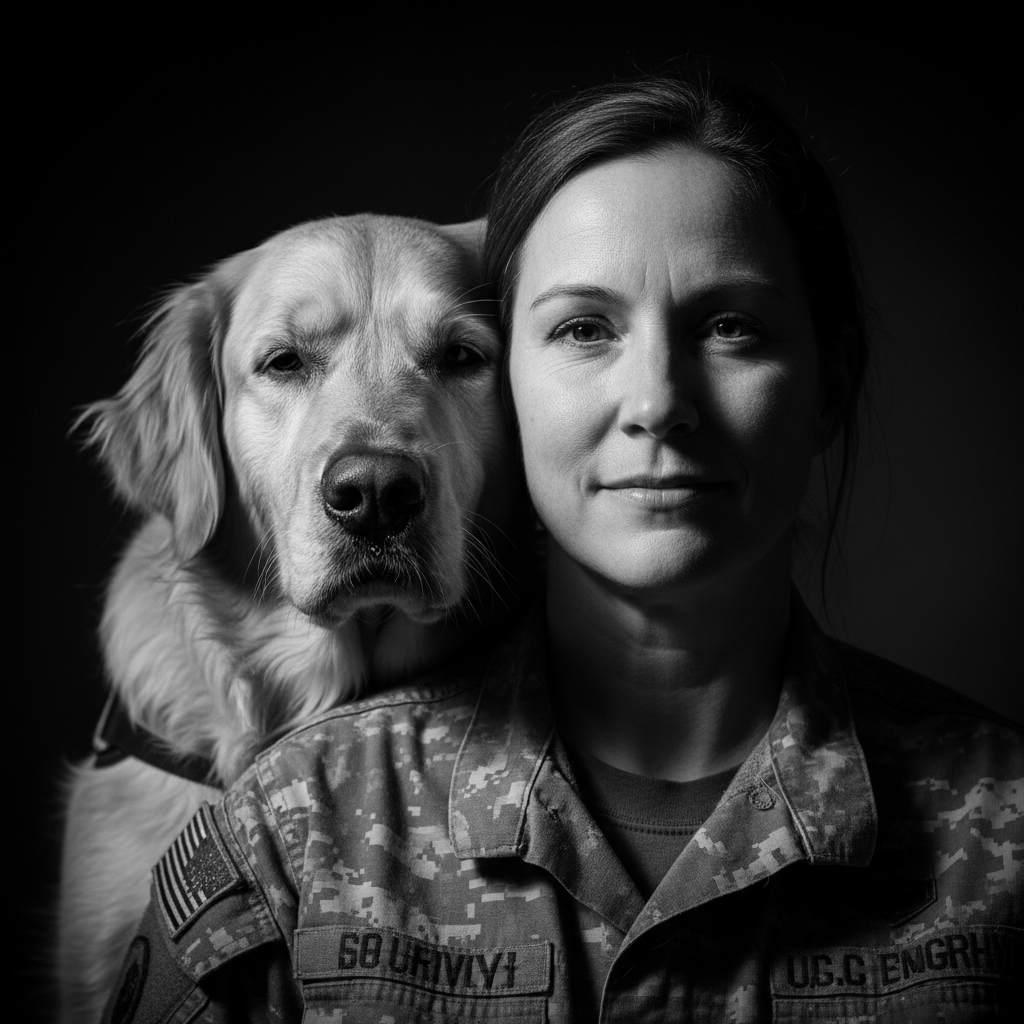
Mastering the VA Claims Process: A Guide for Veterans
Navigating the VA disability claims process can be daunting. Learn essential strategies for securing your disability compensation and ensuring a successful claim.
Understanding the VA Claims Process
Navigating the complex world of VA disability benefits is often the most significant challenge a veteran faces after service. Understanding how to file a VA disability claim correctly is the first step toward securing the disability compensation you deserve. The VA claims process requires precision, patience, and a deep understanding of what the Department of Veterans Affairs looks for when adjudicating your file.
Defining Service Connection
To receive veterans benefits, you must establish a service connected disability. This requires three essential elements of proof:
- A current diagnosis of a disability.
- Evidence of an in-service event, injury, or disease.
- A nexus letter or medical opinion linking your current condition to your military service.
Preparing for Your C&P Exam
The C&P exam is a critical juncture in your journey. Many veterans worry that the examiner is an adversary, but viewing this as a clinical necessity for your VA evidence is key. To prepare, ensure you have your medical records organized and be prepared to discuss how your service-connected condition impacts your daily life.
The Role of VA Evidence
Winning your claim is rarely about the volume of files you submit, but the quality of your VA evidence. Robust files often include:
- Detailed medical records documenting your history.
- A buddy statement or lay statement from peers or family who can attest to the onset and progression of your symptoms.
- Objective testing results for conditions like tinnitus VA or PTSD VA claims.
Strategies to Increase Your VA Disability Rating
If you are currently underrated, you may want to file for an increase VA disability rating. This process involves proving that your condition has worsened since your last evaluation. Whether you are dealing with musculoskeletal issues or mental health conditions, document every flare-up and how it restricts your work or personal life.
Total Disability and Individual Unemployability (TDIU)
If your disabilities prevent you from maintaining substantially gainful employment, you may qualify for total disability through individual unemployability. This allows the VA to pay you at the 100% rate even if your combined disability rating is lower than 100%, provided your service-connected disabilities make it impossible to hold a job.
What to Do After a Denial
Receiving a denial letter is not the end of the road. You have the right to a VA appeal. Whether you choose a Supplemental Claim, Higher-Level Review, or Board Appeal, ensuring you have the right documentation is vital. Always review your decision letter to understand exactly why the claim was denied—was it a lack of a nexus, or perhaps the need for more lay statements?
Final Tips for Success
- Veteran healthcare: Stay consistent with your VA medical appointments.
- Nexus letters: Hire a qualified professional if you need to bridge the gap between service and your current condition.
- VA disability compensation rates: Always check the latest tables to understand your financial expectations.
Securing your rightful benefits is a marathon, not a sprint. If you feel overwhelmed, seek out accredited organizations or advocates who understand the intricacies of VA claims. Take control of your file today and start building the evidence you need to succeed.
Ready to take the next step? Contact a certified VSO or a professional representative today to review your current claim strategy and ensure your path to compensation is as clear as possible.
RELATED TOPICS: