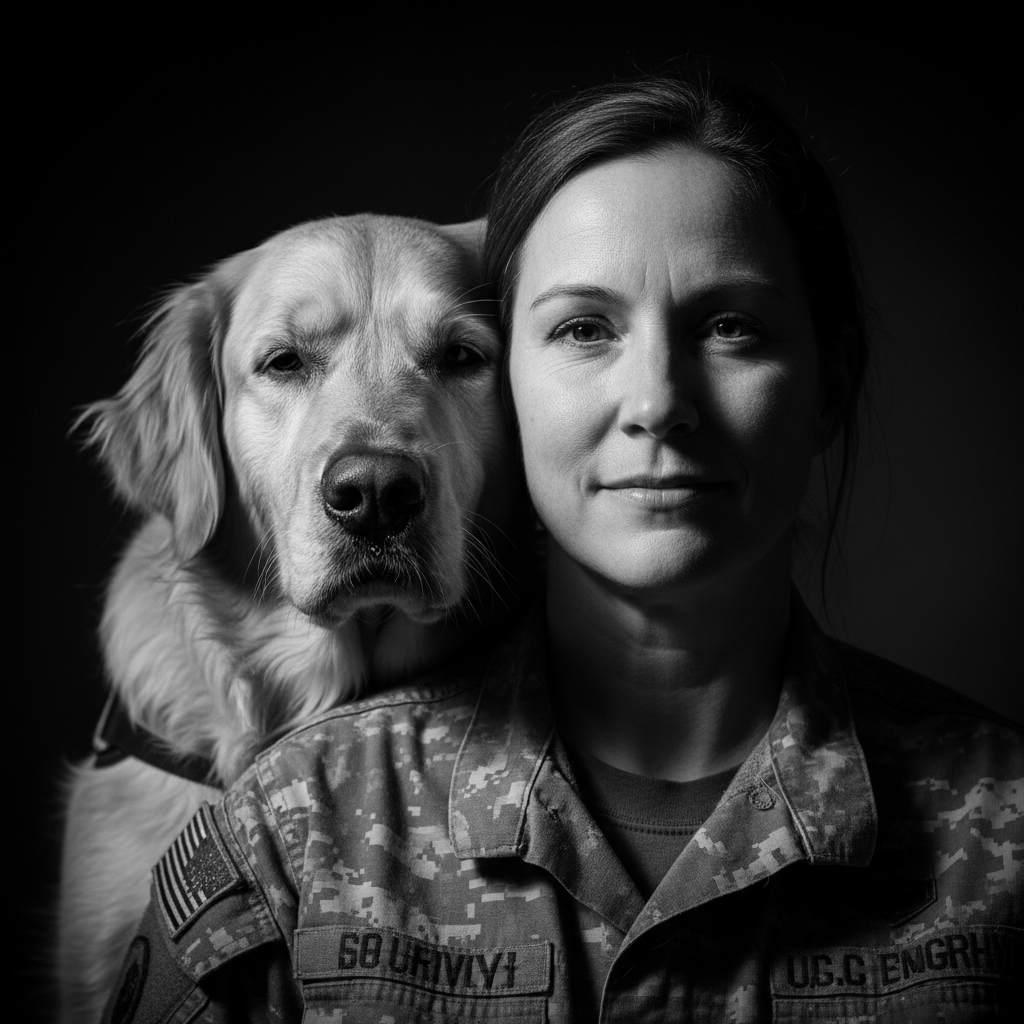
Mastering the VA Claims Process: A Guide for Veterans
Navigate the complexities of VA disability claims with our expert guide. Learn how to secure your benefits, understand service connection, and maximize your rating.
Mastering the VA Claims Process: A Guide for Veterans
Navigating the Department of Veterans Affairs (VA) system can often feel overwhelming. Understanding the VA claims process is the first step in ensuring you receive the disability compensation you deserve. Whether you are filing an initial claim, seeking an increase VA disability rating, or preparing for an appeal, preparation is your greatest asset.
Understanding Service Connection Requirements
To qualify for VA disability, you must establish a service connected disability. This requires three distinct elements: a current diagnosis, an in-service event or injury, and a nexus letter linking the two. Many veterans struggle with the 'nexus' aspect, which is why gathering comprehensive VA evidence is critical.
The Role of VA Evidence and Documentation
Your claim is only as strong as your evidence. Effective VA evidence includes:
- Official military personnel and medical records.
- Private medical provider records detailing your current symptoms.
- A buddy statement or lay statement from peers or family members who witnessed your injury or the progression of your symptoms.
- Expert medical opinions linking your condition to your service.
Preparing for Your C&P Exam
The C&P exam (Compensation and Pension exam) is a pivotal moment in your VA claims process. During this evaluation, a examiner assesses the severity of your conditions to determine your disability rating. To prepare:
- Review your medical history thoroughly before the appointment.
- Be honest about your worst days, not just how you feel on the day of the exam.
- Bring your documentation to ensure the examiner has all necessary facts.
Common Claims: PTSD and Tinnitus
Two of the most frequently filed claims involve PTSD VA ratings and tinnitus VA claims. For mental health conditions, the VA looks for specific stressors and functional impairment. For hearing loss and tinnitus, while the ratings are often lower, they can serve as a foundation for broader veteran healthcare coverage.
When You Cannot Work: TDIU Explained
If your service-connected conditions prevent you from maintaining substantially gainful employment, you may be eligible for Total Disability Individual Unemployability (TDIU). This allows veterans to receive disability compensation at the 100% rate even if their combined disability rating is mathematically lower. This is a powerful tool for those whose service-connected conditions have severely impacted their career stability.
How to Increase VA Disability Rating
If you believe your condition has worsened, you have the right to file for an increase. To succeed, you must provide updated medical records that demonstrate a decline in health or function. Utilize the same rigorous documentation standards you used for your initial filing to ensure a favorable outcome.
Moving Forward: Next Steps
If you are frustrated by the VA claims process or have received an unfair denial, remember that you have the right to file a VA appeal. You do not have to navigate this journey alone. Understanding your rights and gathering the right medical and lay evidence is the key to successfully securing your veterans benefits.
Ready to take the next step in your VA disability journey? Contact our expert consultants today to review your claim and ensure you have the evidence needed to maximize your disability rating.
RELATED TOPICS: