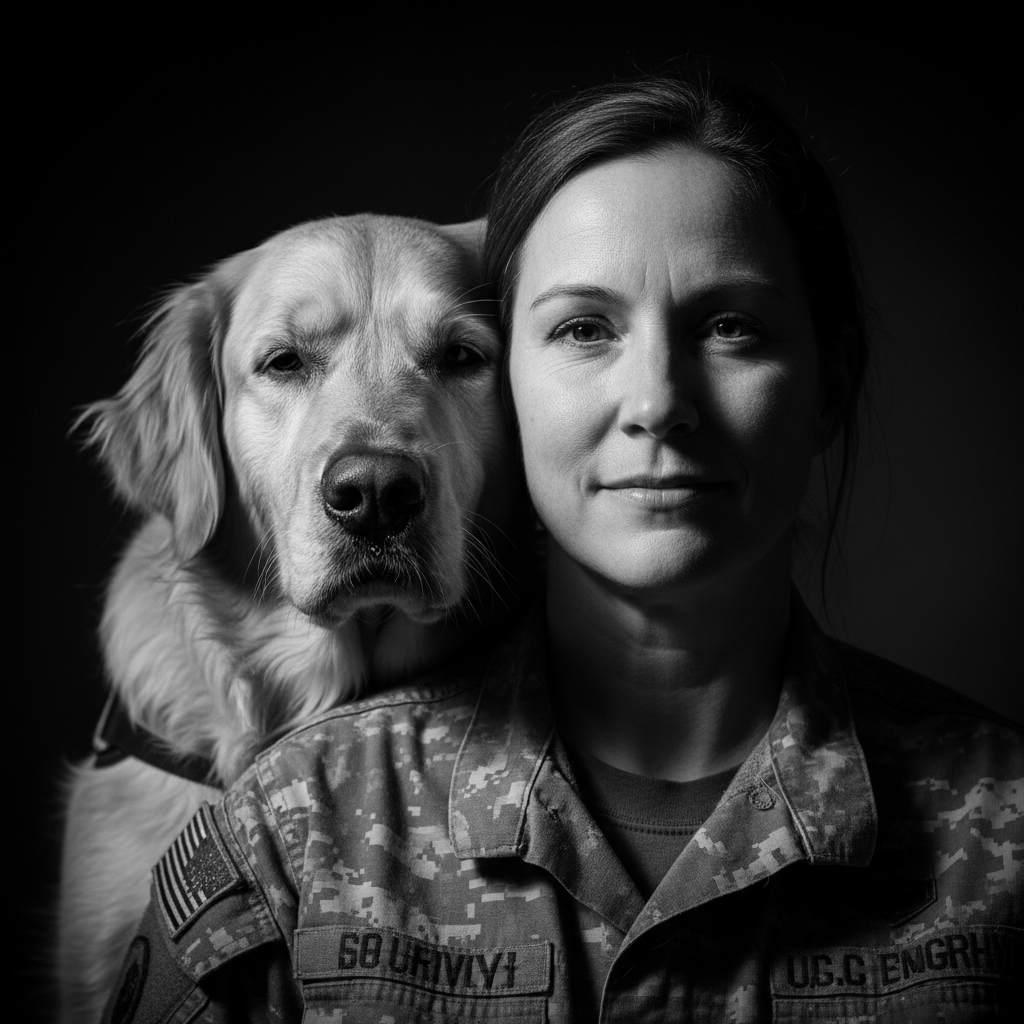
Mastering the VA Claims Process: A Guide for Veterans
Navigate the complexities of VA disability claims with our comprehensive guide. Learn how to secure your benefits, understand service connection, and maximize your rating.
Understanding the VA Claims Process
Navigating VA claims can feel overwhelming, but understanding the foundational requirements is the first step toward securing the disability compensation you earned. Whether you are wondering how to file a VA disability claim or looking to increase VA disability rating, knowing the rules is essential.
Defining Service Connection
To receive veterans benefits, you must establish a service connected disability. This requires three core elements: a current diagnosis, an in-service event or injury, and a nexus letter or medical evidence linking the two. Without a strong service connection, your claim will likely be denied.
Crucial VA Evidence Requirements
The VA claims process is document-heavy. Success depends on the quality of your VA evidence. Beyond medical records, you should consider:
- Buddy statement or lay statement: Personal accounts of your injury or symptom progression.
- Nexus letters: Expert medical opinions that bridge the gap between your service and current condition.
- Military personnel files: Documenting the incident that caused your impairment.
Preparing for Your C&P Exam
The C&P exam is a critical juncture. During this evaluation, the examiner determines the severity of your condition. Be honest, stay focused on your worst days, and ensure you are prepared to discuss your limitations clearly. This exam is a primary factor in determining your disability rating.
Specialized Conditions and Ratings
Certain claims, such as PTSD VA and tinnitus VA, have unique requirements. For mental health, the VA looks for clear symptoms linked to service. For hearing loss, it is often about frequency and impact on your daily life. Ensure your medical records reflect the reality of your symptoms.
Total Disability and Individual Unemployability (TDIU)
If your service-connected disabilities prevent you from maintaining substantially gainful employment, you may be eligible for total disability based on individual unemployability (TDIU). This allows veterans to be compensated at the 100% rate even if their combined VA disability compensation rates do not mathematically reach 100%.
Steps to Take After a Denial
If the VA denies your claim, you have the right to file a VA appeal. You can choose a Supplemental Claim, a Higher-Level Review, or an appeal to the Board of Veterans' Appeals. Persistence is key, and every step in the VA benefits system offers a chance to rectify errors.
Actionable Tips for Success
- Organize your medical records meticulously.
- Use a buddy statement to verify events that weren't recorded in service.
- Stay updated on VA disability compensation rates to understand your potential financial recovery.
- Utilize veteran healthcare services to build a consistent record of treatment.
Do not navigate the VA system alone. If you need professional assistance to strengthen your claim or prepare for your next exam, reach out to our team of experts today to start your journey toward receiving the benefits you deserve.
RELATED TOPICS: