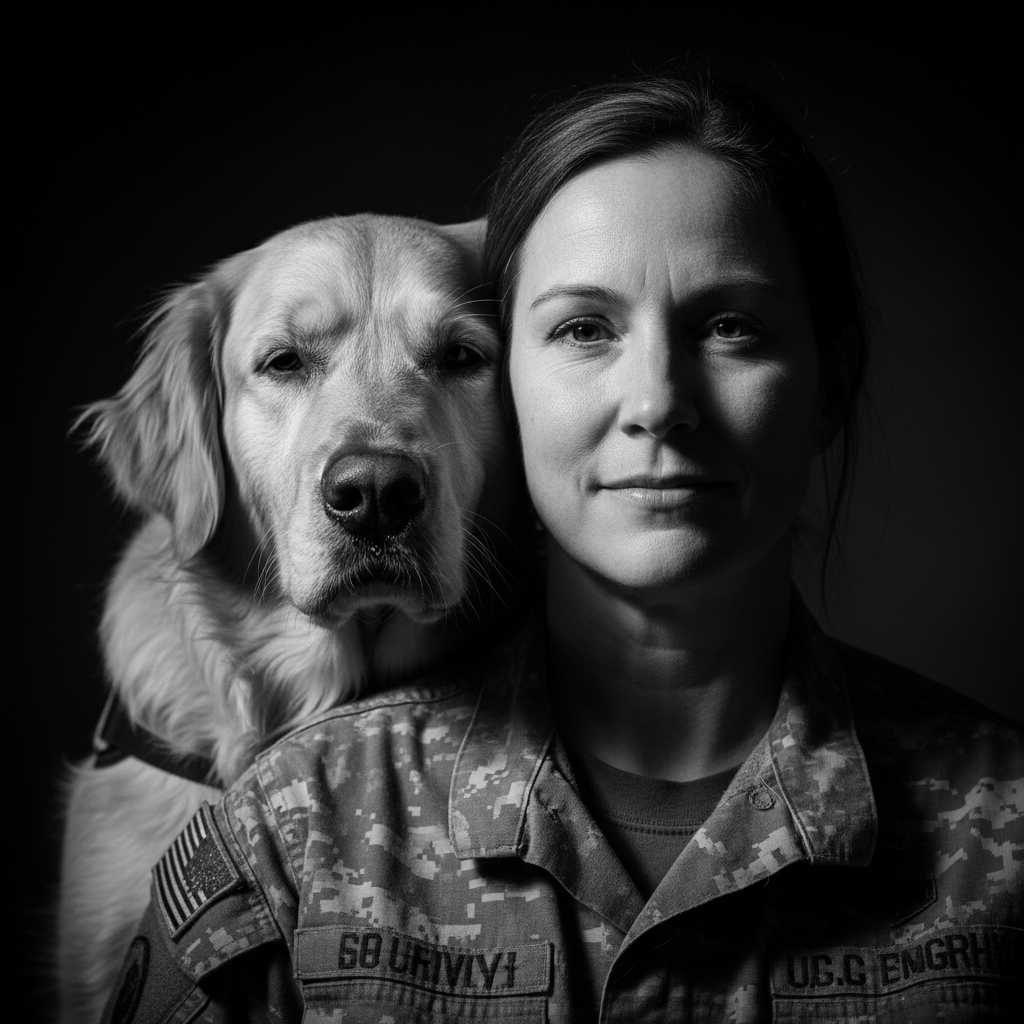
Mastering the VA Claims Process: A Guide to Getting Approved
Navigating the VA claims process can be daunting. Learn how to strengthen your application, prepare for your C&P exam, and secure the disability benefits you earned.
Understanding the VA Claims Process for Veterans
Securing VA disability benefits is a journey that requires patience, organization, and a deep understanding of the VA claims process. Many veterans find themselves overwhelmed by paperwork, but with the right approach, you can successfully establish a service connection for your conditions. Whether you are filing for the first time or looking to increase VA disability rating, this guide will provide the authoritative advice you need.
Defining Service Connection and Disability Compensation
To receive disability compensation, you must prove a service connected disability. This means providing VA evidence that links your current condition to an event, injury, or illness that occurred during your military service. The three pillars of a successful claim are:
- A current medical diagnosis.
- Evidence of an in-service event or symptom.
- A nexus letter or medical opinion linking the two.
Preparing for Your C&P Exam
The C&P exam is a critical component of your application. During this evaluation, a medical professional will assess the severity of your condition. To prepare, ensure you have your medical records organized and be prepared to describe your "worst days" rather than just your current symptoms. Remember, this is not a general veteran healthcare check-up; it is a clinical evaluation to determine your disability rating.
The Power of Lay Evidence
The VA values VA evidence beyond just medical records. A buddy statement or a lay statement from family members, former service members, or coworkers can provide vital context regarding how your service-connected disability affects your daily life. Use these statements to corroborate the timeline of your symptoms, especially for invisible injuries like PTSD VA claims or tinnitus VA cases.
Seeking Total Disability Based on Individual Unemployability (TDIU)
If your service-connected conditions prevent you from maintaining substantial gainful employment, you may qualify for total disability under individual unemployability. This allows veterans to be compensated at the 100% rate even if their combined disability rating is lower than 100%. If you are struggling in the workplace, consult with a representative to see if this is an option for you.
What to Do If You Receive a Denial
Not every claim is approved on the first attempt. If you receive a denial, you have the right to initiate a VA appeal. You can request a Higher-Level Review, submit a Supplemental Claim with new VA evidence, or appeal to the Board of Veterans' Appeals. Persistence is key to navigating VA benefits successfully.
Tips for How to File a VA Disability Claim
- Gather all your medical records, including private doctor reports.
- Use Form 21-526EZ to initiate your claim.
- Clearly articulate the link between service and your current disability.
- Review current VA disability compensation rates to understand potential outcomes.
Do not go through this process alone. If you need help gathering your buddy statement documentation or drafting a nexus letter, reach out to a certified veterans service officer or an accredited representative today to take control of your future.
RELATED TOPICS: