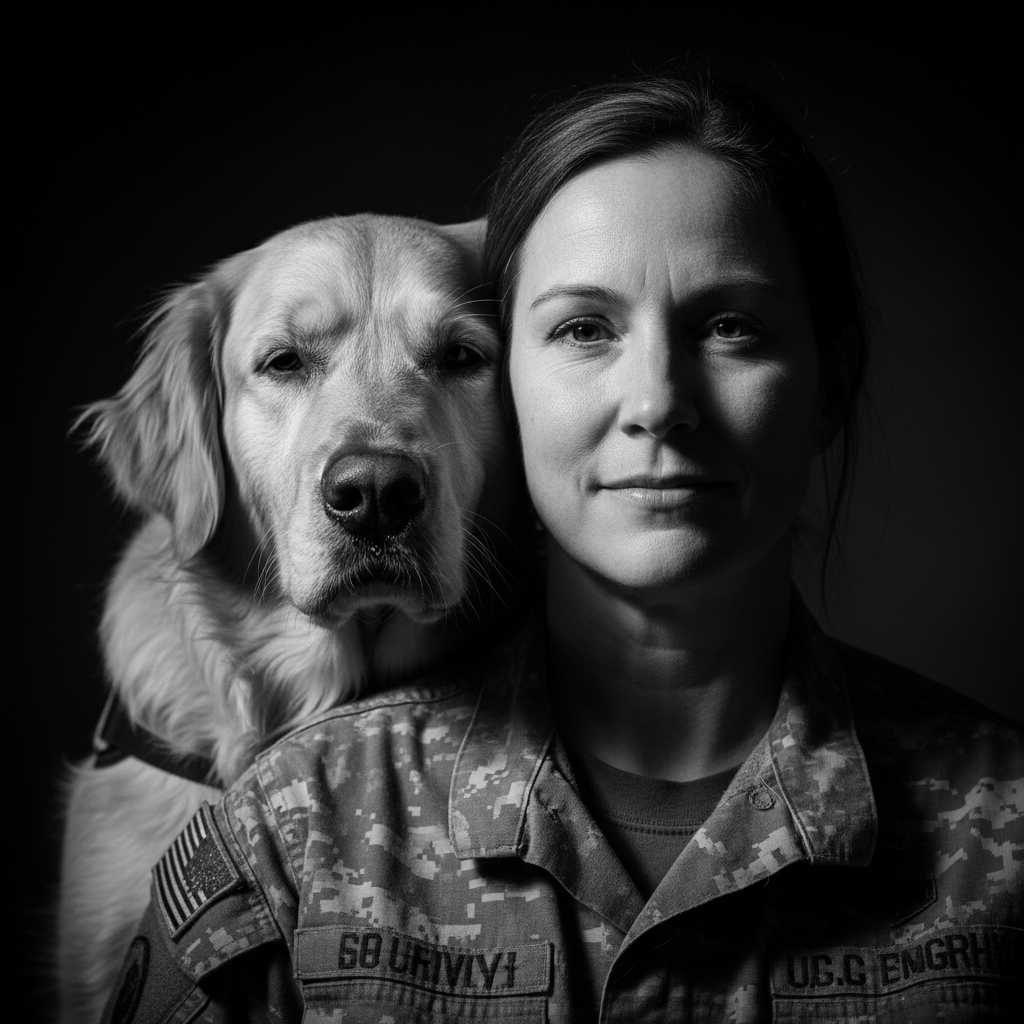
Mastering the VA Claims Process: A Guide to Getting Approved
Navigating the VA disability claims process can be complex. Learn how to secure your benefits, prepare for your C&P exam, and maximize your disability rating today.
Understanding the VA Disability Claims Process
Navigating the VA claims process is often the most challenging hurdle a veteran faces after transitioning to civilian life. Understanding how to file a VA disability claim correctly is the foundation for obtaining the disability compensation you earned through your service. To succeed, you must demonstrate a clear service connection between your current medical condition and your time in uniform.
The Three Pillars of a Successful Claim
To receive a service connected disability rating, the VA requires evidence of three specific components:
- A current medical diagnosis of a disability.
- Evidence of an in-service event, injury, or illness.
- A medical nexus linking the current disability to the in-service event.
Without a strong nexus letter, many claims are denied. Your medical evidence should be comprehensive, detailing how your condition affects your daily life and earning capacity.
Preparing for Your C&P Exam
The C&P exam is a critical step in your VA benefits journey. This appointment is where a VA-contracted clinician evaluates your symptoms. Preparation is key: be honest about your worst days, not just your best. Whether you are claiming PTSD VA or tinnitus VA, you must be prepared to articulate how your symptoms manifest in both professional and personal settings. Use lay statements or a buddy statement to provide third-party verification of the severity of your condition.
How to Increase VA Disability Rating
If you are already rated but feel your condition has worsened, you may qualify to increase VA disability rating. The VA reviews your file based on the latest VA evidence provided. If your symptoms have increased in intensity or frequency, ensure your medical records reflect these changes before filing for an increase.
Secondary Service Connection and Special Benefits
Many veterans are unaware that they can claim secondary conditions. If a service-connected disability causes or aggravates another condition, that secondary issue may also be eligible for compensation. Furthermore, for those unable to maintain gainful employment due to their service-connected conditions, the VA offers Total Disability Individual Unemployability (TDIU). This allows veterans to receive compensation at the 100% rate, even if their combined disability rating is lower, provided their conditions prevent them from working.
The VA Appeals Process
A denial is not the end of the road. If you disagree with a rating decision, you can initiate a VA appeal. Whether you choose a Supplemental Claim, a Higher-Level Review, or an appeal to the Board of Veterans' Appeals, ensuring your documentation is solid is vital. Utilize every available resource, including detailed personal statements and updated medical nexus letters, to strengthen your position.
Final Recommendations for Veterans
Securing the veteran healthcare and financial security you deserve requires diligence and organization. Keep copies of all submissions, track your deadlines, and never hesitate to consult with an accredited Veterans Service Officer (VSO) or a qualified advocate to ensure your claim is as strong as possible.
Are you ready to move forward with your claim? Don't leave your benefits to chance. Contact our expert consulting team today for a comprehensive evaluation of your file and learn how to build the strongest possible evidence package for your VA disability claim.
RELATED TOPICS: