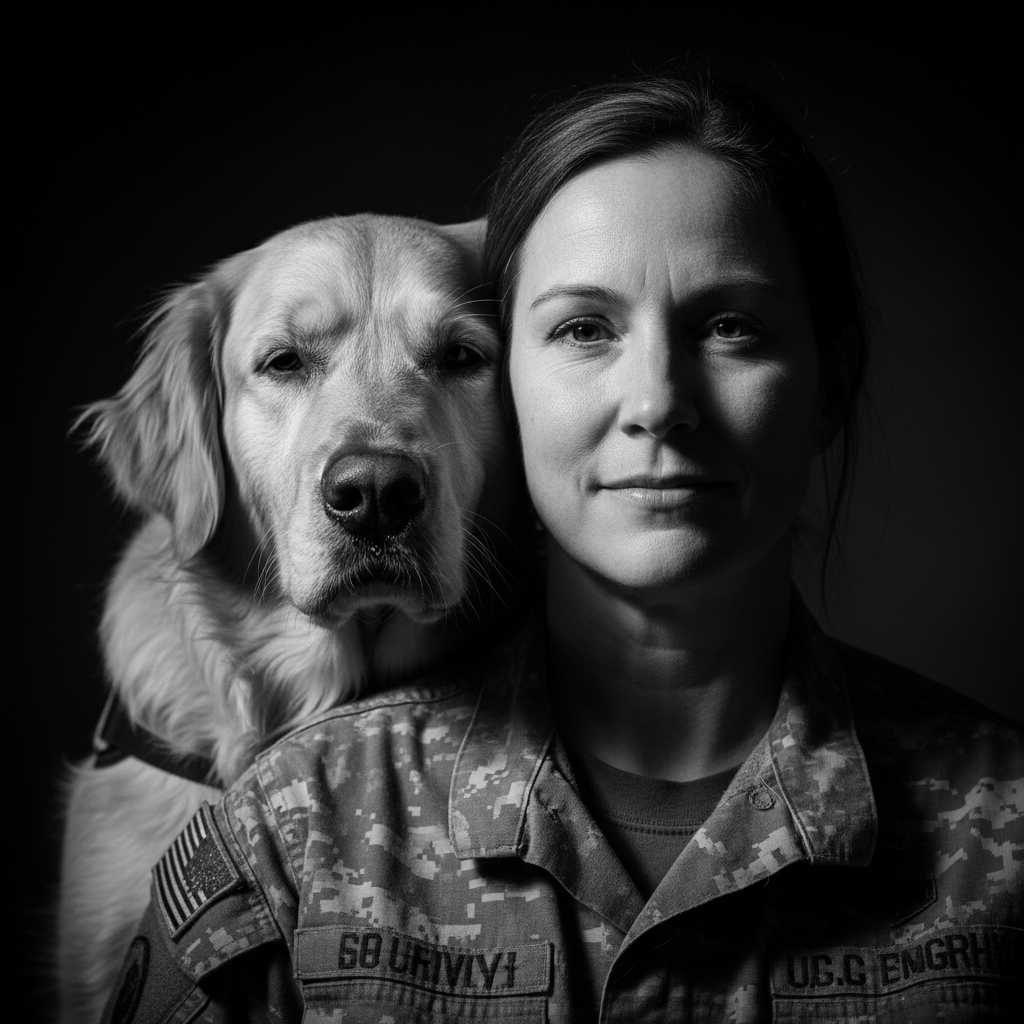
Mastering the VA Claims Process: A Step-by-Step Guide
Navigating the VA claims process can be daunting. Learn how to secure your disability compensation, build strong evidence, and understand your service connection rights today.
Understanding the VA Claims Process for Veterans
For many, seeking VA benefits is a long and challenging journey. Understanding the VA claims process is the first step toward receiving the disability compensation you earned through your service. Whether you are filing an initial claim or looking to increase VA disability rating, this guide will provide the clarity you need.
Defining Service Connection Requirements
To win a service connected disability claim, you must establish three essential elements: a current diagnosis, an in-service event or injury, and a nexus letter or medical link connecting the two. Without this clear link, the VA may deny your request for VA disability.
The Role of VA Evidence and Medical Documentation
Your claim is only as strong as your VA evidence. You must collect all relevant medical records, including private treatment notes and military service records. To bolster your file, consider these tools:
- Buddy statement or lay statement: Personal accounts of how your injury occurred or impacts your daily life.
- Nexus letter: A professional opinion from a doctor confirming your condition is at least as likely as not related to your military service.
- Service treatment records: The backbone of your primary service connection.
Preparing for Your C&P Exam
The C&P exam is a critical juncture. During this exam, an examiner will evaluate the severity of your condition to determine your disability rating. Be honest about your worst days. Do not minimize your symptoms, whether you are dealing with PTSD VA mental health claims or tinnitus VA hearing loss. Remember, the examiner is there to document your functional impairment.
Exploring Advanced Benefits: TDIU
If your service-connected conditions prevent you from maintaining substantially gainful employment, you may qualify for Total Disability Individual Unemployability (TDIU). This allows veterans to receive compensation at the 100% rate even if their combined disability rating is lower. Understanding VA disability compensation rates is vital for financial planning during this process.
How to Handle a VA Appeal
If you receive an unfavorable decision, you have options. A VA appeal allows you to challenge the findings. Whether you choose a supplemental claim, a higher-level review, or an appeal to the Board of Veterans' Appeals, ensure you have addressed the specific reasons for the denial provided in your decision letter.
Frequently Asked Questions
- How to file VA disability claim? You can file online via VA.gov, by mail, or in person at a regional office.
- What is the current VA disability compensation rate? These rates are updated annually based on the cost-of-living adjustment.
- Can I get help with my claim? Yes, VSOs, accredited agents, and attorneys can assist you throughout the VA claims process.
Get the Support You Deserve
Navigating the complex world of veterans benefits doesn't have to be a solitary experience. If you feel overwhelmed, reach out to an accredited representative to ensure your VA evidence is properly structured. Take control of your future today and seek the compensation you earned.
Are you ready to maximize your VA benefits? Contact our expert team today for a comprehensive evaluation of your claim status!
RELATED TOPICS: