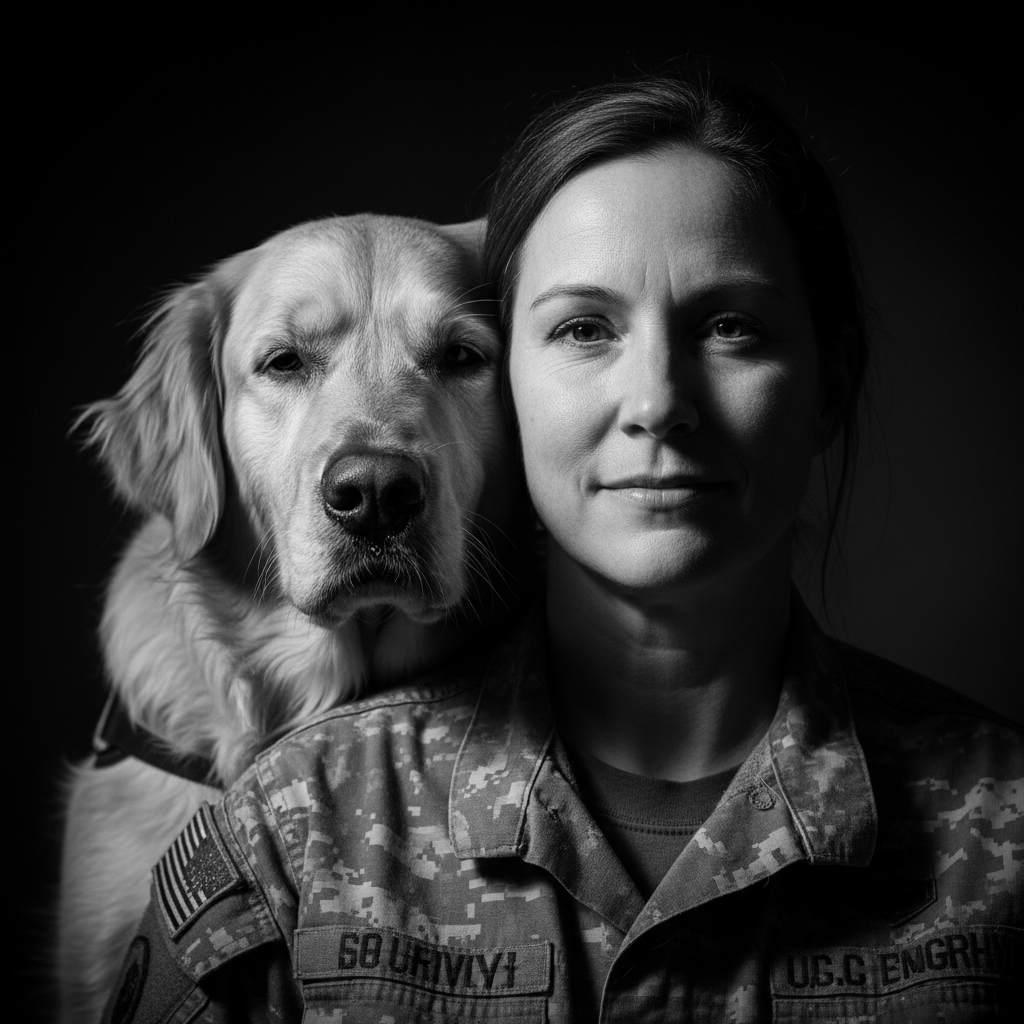
Mastering the VA Claims Process: A Step-by-Step Guide for Vets
Navigating VA disability claims can feel overwhelming. Learn the essential steps to filing, building your evidence, and securing the benefits you earned.
Navigating the VA Claims Process for Veterans
For many, understanding how to file a VA disability claim is the first hurdle in securing the veterans benefits they rightfully earned. The VA claims process is complex, but with the right preparation and documentation, you can effectively present your service connected disability to the Department of Veterans Affairs. Whether you are filing for a new condition like tinnitus VA or seeking to increase VA disability rating for an existing injury, knowledge is your most powerful tool.
Establishing Service Connection Requirements
To qualify for disability compensation, you must prove three core elements: a current diagnosis, an in-service event, and a nexus letter or medical link connecting the two. Many veterans fail because they lack sufficient VA evidence. Before you submit, ensure you have gathered:
- Military service medical records.
- Private treatment records.
- A detailed buddy statement or lay statement to corroborate your experiences.
Preparing for Your C&P Exam
The Compensation and Pension (C&P) exam is a critical step in your claim. During this appointment, an examiner evaluates the severity of your condition. To prepare effectively, be honest, consistent, and specific. Do not minimize your symptoms; explain how your service connected disability impacts your daily life and ability to work. If you are filing for PTSD VA, be prepared to discuss the stressors that caused your condition.
Strategies to Increase VA Disability Rating
If you believe your current rating does not reflect your reality, you have options. Veterans can pursue an increase VA disability rating by providing new and relevant evidence. If your service connected disability has worsened over time, document that progression through updated medical appointments. You may also look into secondary service connection, where an initial disability leads to the development of a second, related condition.
When You Need More Than a Standard Claim
If your disabilities prevent you from maintaining substantially gainful employment, you may be eligible for Total Disability Individual Unemployability (TDIU). This allows veterans to receive compensation at the 100% rate even if their combined disability rating is lower. This is a vital resource for those whose conditions prohibit them from the workforce.
What to Do If You Receive a Denial
Receiving a denial letter is not the end of the road. The VA appeal process allows you to challenge the decision. Whether you choose a Supplemental Claim, a Higher-Level Review, or a Board Appeal, ensure you review the decision letter thoroughly to understand why the VA denied your claim and what evidence is missing.
Next Steps for Your Claim
The path to receiving disability compensation requires persistence and attention to detail. Remember that you do not have to walk this path alone.
- Review the current VA disability compensation rates to understand your potential benefit levels.
- Organize your medical documentation early.
- Reach out to accredited representatives for guidance.
Are you ready to take control of your disability claim? Contact our team of experts today for a comprehensive evaluation of your file and let us help you secure the benefits you deserve.
RELATED TOPICS: