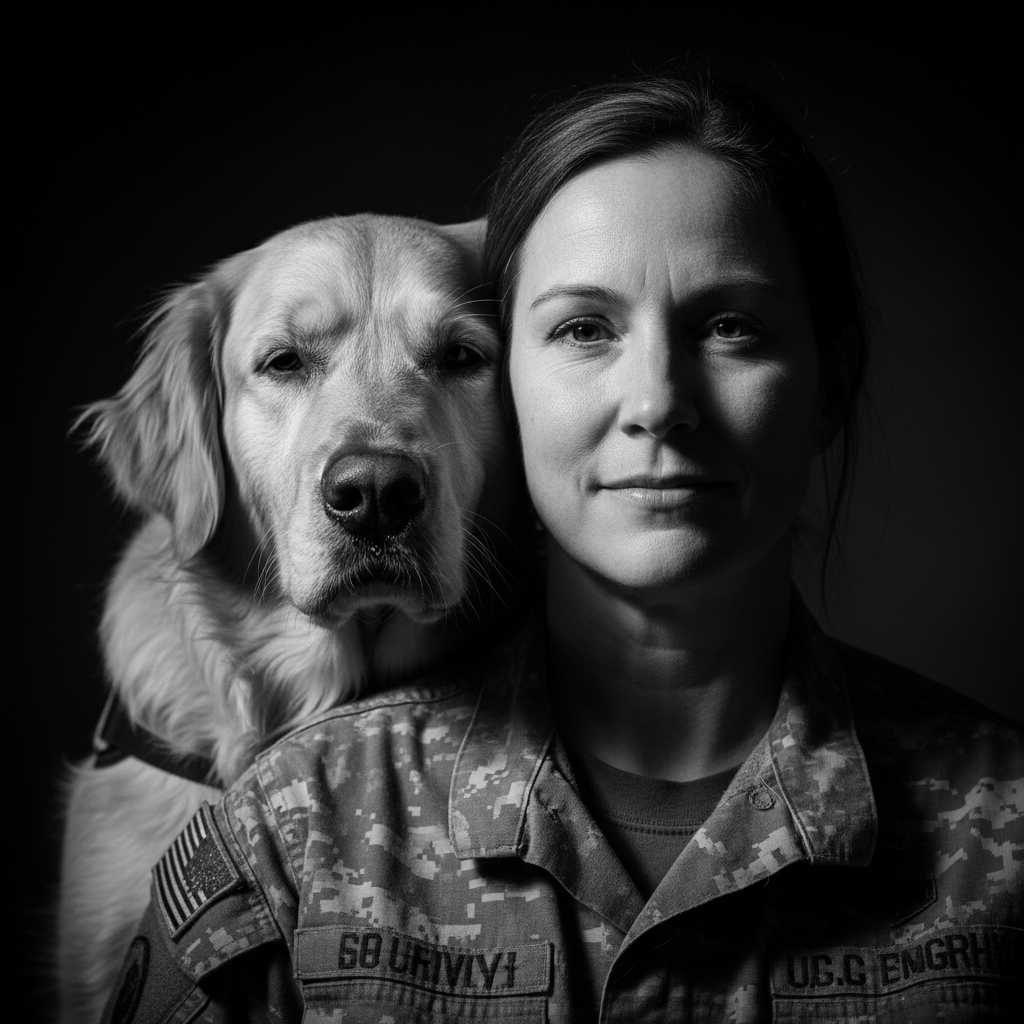
Mastering the VA Claims Process: A Veteran's Guide to Success
Navigating VA disability claims can be complex. Learn how to secure your disability compensation with expert advice on evidence, nexus letters, and the claims process.
Understanding the VA Claims Process
Navigating the complex world of VA disability benefits can feel overwhelming for many service members transitioning to civilian life. Understanding the VA claims process is the first step toward securing the disability compensation you deserve for your service-connected conditions.
Establishing a Service Connection
To win your claim, you must establish a service connection. This requires three main components: a current diagnosis of a disability, an in-service event or injury, and a medical nexus linking the two. If you are wondering how to file a VA disability claim, start by gathering your medical records and military service records (DD214).
The Importance of VA Evidence and Nexus Letters
Your VA evidence is the backbone of your claim. Without a strong medical opinion, many claims are denied. A professional nexus letter can provide the critical link between your current symptoms and your time in service. Do not underestimate the power of lay evidence; a well-written buddy statement or lay statement can provide context to your daily struggles that a medical record might miss.
Navigating C&P Exams and Ratings
The C&P exam (Compensation and Pension exam) is often the most stressful part of the process. Preparation is key. Review your records, understand the symptoms associated with your condition—whether it is PTSD VA-related or tinnitus VA-related—and be honest about your worst days.
Understanding VA Disability Compensation Rates
Your monthly payment is determined by your disability rating. The VA uses a specific scale to determine VA disability compensation rates based on the severity of your conditions. If your condition has worsened, you may want to seek an increase VA disability rating to ensure your compensation matches your current reality.
When to Seek Total Disability Individual Unemployability (TDIU)
If your service-connected disabilities prevent you from maintaining substantial gainful employment, you may qualify for total disability, also known as individual unemployability (TDIU). This designation allows you to be paid at the 100% rate even if your combined rating is lower, provided you meet the specific criteria.
Steps for a Stronger Claim
- Review your Service Treatment Records thoroughly.
- Obtain a current diagnosis from a private physician.
- Submit a strong nexus letter to bridge the gap.
- Include buddy statements to corroborate your incident or symptoms.
- Prepare for the C&P exam by noting your most severe symptoms.
Handling Denials and Appeals
If you receive a denial, do not be discouraged. The VA appeal process exists specifically to protect your rights. Whether you choose a Supplemental Claim, a Higher-Level Review, or an appeal to the Board of Veterans' Appeals, ensure you address the specific reasons for your denial.
Next Steps for Veterans
Securing your veterans benefits is a long-term commitment to your health and financial stability. If you need help with your claim or have questions about veteran healthcare, reach out to an accredited representative today. Our team is dedicated to helping you navigate the complexities of your claim. Contact us now to schedule your consultation and get the support you earned through your service.
RELATED TOPICS: