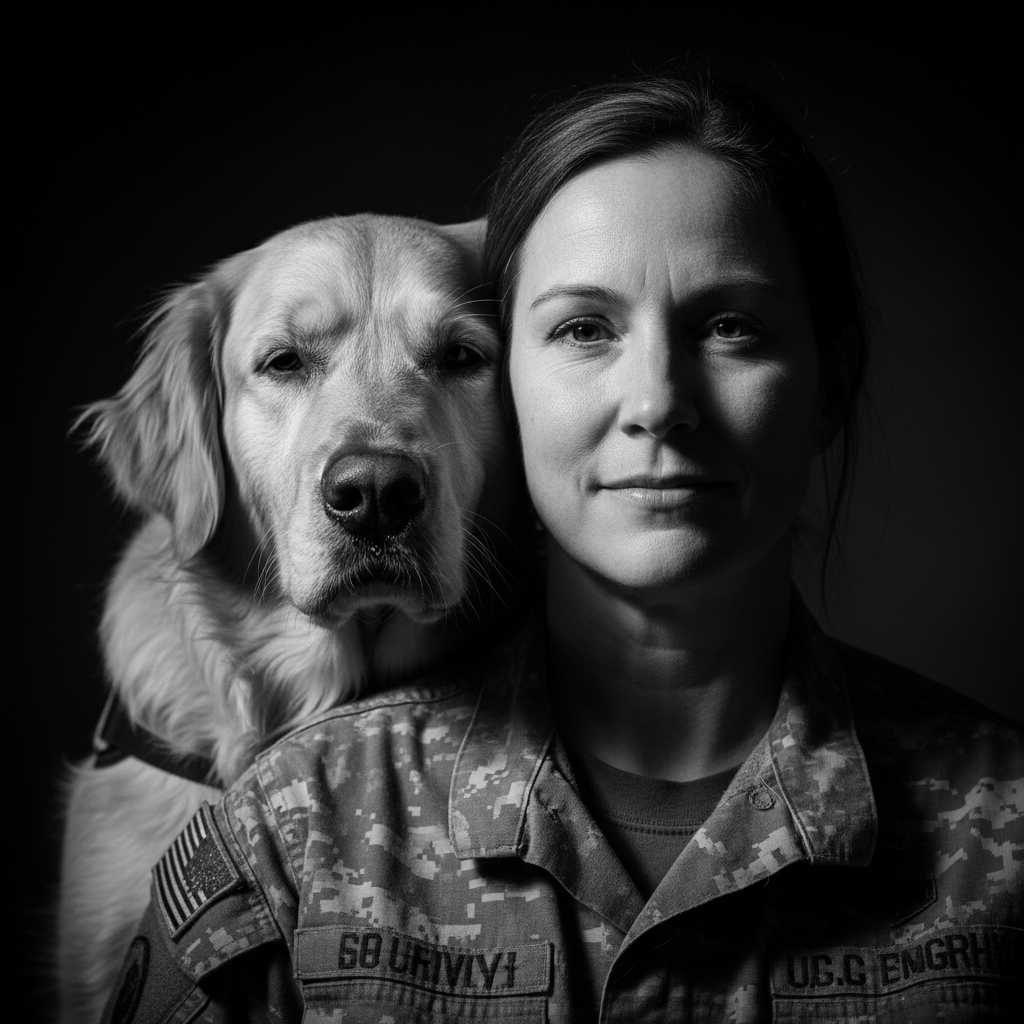
Mastering the VA Claims Process: A Veteran's Guide to Success
Navigating the VA disability claims process can be complex. Learn the essential steps to securing your service-connected disability compensation today.
Understanding the VA Claims Process
Navigating the complex landscape of VA benefits can feel overwhelming, but understanding the core components of the VA claims process is your first step toward success. Whether you are filing an initial claim or seeking to increase your VA disability rating, having a clear roadmap is essential for securing the disability compensation you earned.
Establishing Service Connection
The foundation of every successful claim is the service connection. To qualify for VA disability benefits, you must prove three critical elements:
- A current medical diagnosis of a disability.
- Evidence of an in-service event, injury, or disease.
- A medical nexus linking your current disability to that in-service event.
Without a strong nexus letter, many valid claims for service-connected disability are denied. Providing compelling VA evidence, such as medical records or a nexus letter from a qualified professional, significantly strengthens your case.
The Role of VA Evidence and Statements
When official medical records are missing, the VA relies on lay evidence. A well-written buddy statement or lay statement can fill gaps in your military service record, providing context for how your service impacted your health. Whether you are dealing with PTSD VA-related symptoms or chronic tinnitus VA issues, personal testimony remains powerful evidence.
Preparing for Your C&P Exam
The Compensation and Pension (C&P) exam is a pivotal moment in the VA claims process. This examination is not a treatment visit; it is a clinical assessment used to determine the severity of your condition. To prepare, ensure you are familiar with your medical history and can articulate how your disability affects your daily life and employment. Being honest and consistent during this assessment is vital for obtaining an accurate disability rating.
Tips for Exam Success
- Review your medical records thoroughly before the appointment.
- Be prepared to discuss your "worst days" rather than just your best.
- Do not downplay your symptoms or their impact on your functioning.
- If you have mobility issues or specific medical equipment, ensure they are documented.
Addressing Denials and the VA Appeal Process
Receiving a denial can be discouraging, but it is not the end of your journey. Many veterans successfully secure benefits after a VA appeal. Whether you choose a Supplemental Claim, a Higher-Level Review, or a Board Appeal, ensure you address the specific reasons listed in your denial letter. If you have been denied, you may need stronger VA evidence or a more detailed nexus letter to prove your case.
Total Disability and Individual Unemployability (TDIU)
If your service-connected conditions prevent you from maintaining substantially gainful employment, you may qualify for Total Disability Individual Unemployability (TDIU). This allows veterans to be compensated at the 100% rate even if their combined disability rating is lower than 100%. If your physical or mental health conditions, such as PTSD VA-rated conditions, keep you out of the workforce, investigate whether TDIU is the right path for you.
Final Steps to Claim Your Benefits
Learning how to file a VA disability claim involves attention to detail and patience. By understanding VA disability compensation rates, utilizing lay statements, and properly preparing for your C&P exam, you position yourself for a more favorable outcome. Remember, you do not have to navigate this system alone.
Need expert guidance on your VA disability claim? If you are struggling with a denial or need help assembling a strong evidence package, consult with an accredited veteran service officer or a qualified legal professional today. Take control of your future and secure the veterans benefits you deserve.
RELATED TOPICS: