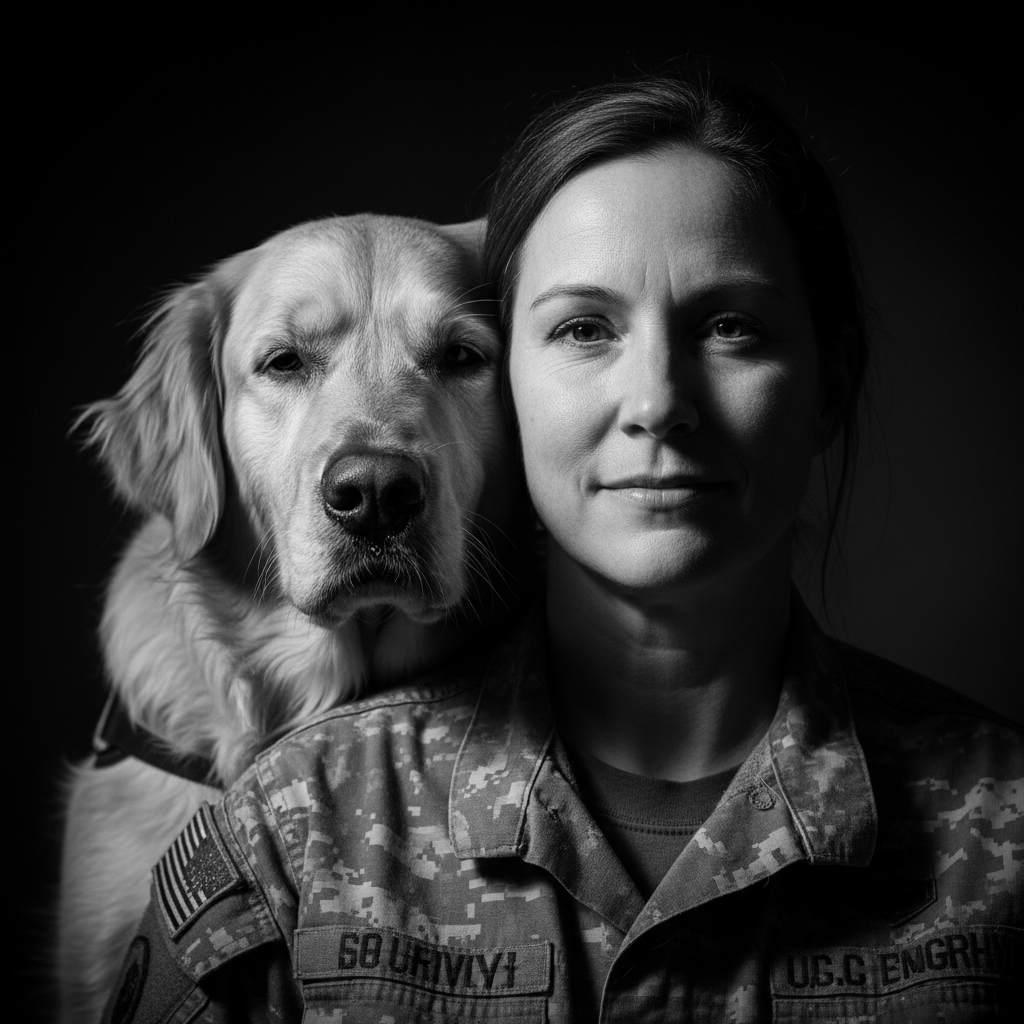
Mastering the VA Claims Process: Your 2026 Guide
Learn how to successfully navigate the VA claims process, gather critical evidence, and secure the disability compensation you earned through your service.
Understanding the VA Disability Claims Process
Navigating the complex landscape of VA benefits can feel overwhelming for many veterans. Understanding how to file a VA disability claim is the first step toward securing the disability compensation you deserve. Whether you are filing an initial application or seeking to increase VA disability rating, a strategic, evidence-based approach is essential.
Defining Service Connection
At the heart of every successful claim is the concept of service connection. To receive benefits, you must prove that your current service connected disability is directly linked to your military service. This requires three primary elements: a current medical diagnosis, an in-service event or injury, and a medical nexus connecting the two. Without this link, your claim will likely be denied.
The Importance of VA Evidence
Gathering robust VA evidence is critical. You should compile comprehensive medical records that demonstrate the progression of your condition. Furthermore, buddy statements and lay statements provide necessary context that clinical records may miss. These documents help bridge the gap, detailing how a condition impacts your daily life and earning capacity. If your medical records are ambiguous, a professional nexus letter can provide the expert opinion required to establish service connection.
Preparing for the C&P Exam
The C&P exam is a pivotal moment in the VA claims process. This examination serves as the VA's method to verify your disability status and assign a disability rating. To prepare:
- Review your military and civilian medical records thoroughly.
- Be prepared to discuss your 'worst days' rather than your 'best days.'
- Ensure you understand the symptoms associated with conditions like PTSD VA or tinnitus VA.
- Be honest and consistent about the limitations your disability places on your professional and personal life.
Advanced Benefits: TDIU and Appeals
For veterans whose service-connected conditions prevent them from maintaining substantial gainful employment, total disability based on individual unemployability (TDIU) may be an option. This allows veterans to be compensated at the 100% rate even if their combined disability rating is technically lower. If you find yourself facing a denial, remember that the VA appeal process exists to protect your rights. You have the right to request a Higher-Level Review, a Supplemental Claim, or an appeal to the Board of Veterans' Appeals.
Strategies for Success
- Document Everything: Keep a personal log of symptoms related to veteran healthcare needs.
- Seek Professional Guidance: Experienced VSOs or accredited agents can prevent common mistakes.
- Stay Informed: Review the latest VA disability compensation rates to understand your potential benefit levels.
- Build a Strong Case: Use lay evidence to complement your clinical records.
Your service has left an indelible mark, and the VA system is designed to support your long-term health and stability. By meticulously gathering your evidence and preparing for every stage of the review, you can move forward with confidence. If you need assistance gathering documentation or preparing your argument for a C&P exam, contact a qualified consultant today to protect your future.
RELATED TOPICS: