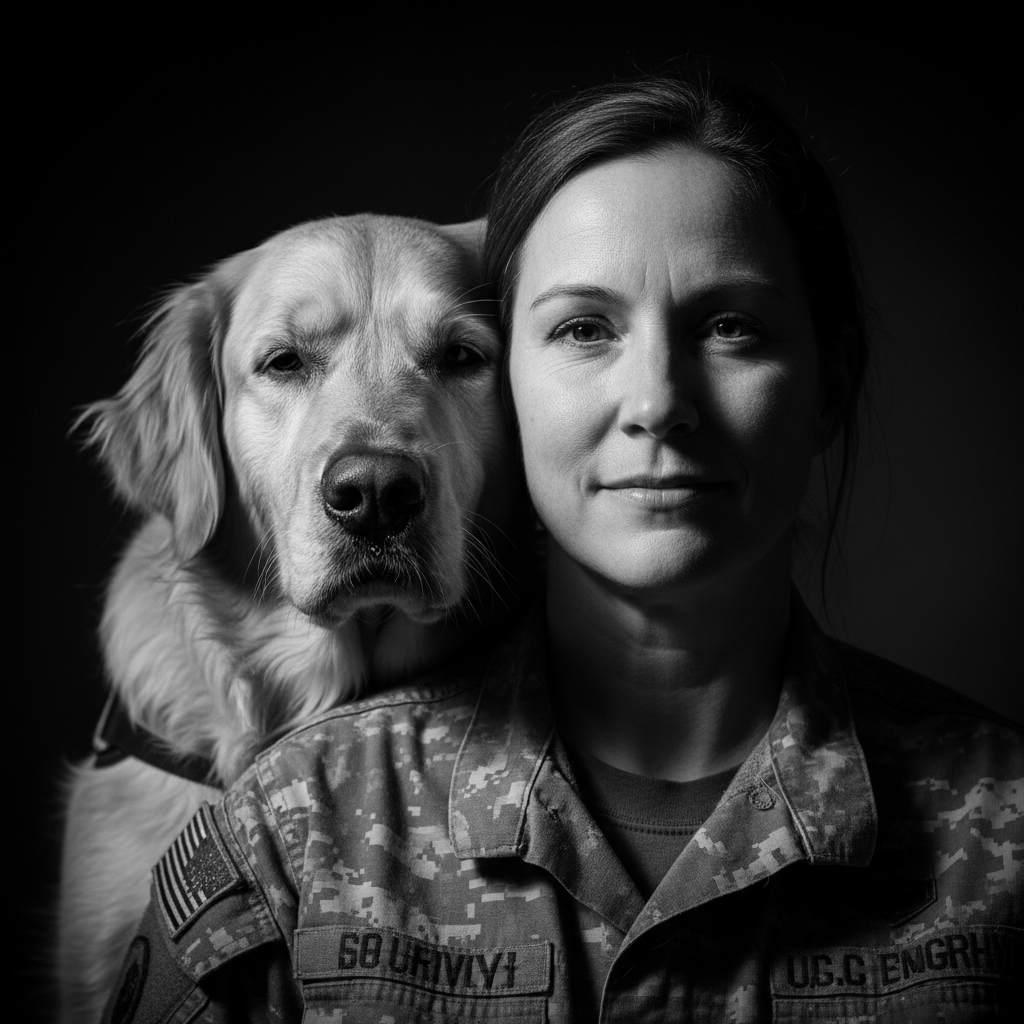
Mastering the VA Disability Claims Process: A Guide
Navigate your VA disability claims journey with confidence. Learn how to secure your disability compensation, prepare for your C&P exam, and maximize your rating.
Understanding the VA Disability Claims Process
Navigating the VA claims process can feel overwhelming, but understanding the foundational requirements is the first step toward securing the disability compensation you deserve. Whether you are filing an initial claim or looking to increase VA disability rating percentages, a strategic approach is essential.
Defining Service Connection Requirements
To receive VA benefits, you must establish a service connection. This requires three critical components: 1) A current diagnosis of a disability; 2) Evidence of an in-service event, injury, or disease; and 3) A medical nexus linking the two. Many veterans rely on a professional nexus letter to bridge this gap when the evidence isn't immediately obvious.
Building Strong VA Evidence
Your claim is only as strong as the documentation you provide. When compiling your VA evidence, ensure you have a comprehensive medical history. Beyond official medical records, consider utilizing:
- Buddy statements to provide context for in-service stressors or injuries.
- Lay statements from family members regarding the impact of your condition on daily life.
- Personal statements detailing the severity of symptoms for conditions like PTSD VA or tinnitus VA.
C&P Exam Preparation
The C&P exam is a pivotal moment in the VA disability claims process. To prepare, review your medical records thoroughly so you can clearly explain how your symptoms manifest. Remember, the examiner is there to document your functional limitations. Be honest, be specific about your 'worst days,' and ensure your symptoms are accurately reported.
Managing VA Disability Ratings and Compensation
VA disability compensation rates are based on your overall disability rating. If your service connected disability has worsened over time, you may qualify for an increase. If your condition prevents you from maintaining substantially gainful employment, you may be eligible for Total Disability Individual Unemployability (TDIU). This designation allows veterans to be compensated at the 100% rate even if their combined rating is lower.
Handling Appeals and Denials
If you receive a denial, do not lose hope. The VA appeal process allows you to submit a Supplemental Claim, request a Higher-Level Review, or appeal to the Board of Veterans' Appeals. Always review your decision letter carefully to identify exactly why the VA denied the claim, whether it was a lack of nexus or insufficient evidence.
Essential Tips for Success
- Maintain a current record of your veteran healthcare visits.
- Understand your specific ratings for conditions like tinnitus VA or mental health markers.
- Consult with experts if you are struggling with complex secondary service connection claims.
- Never hesitate to provide buddy statements if your service records are incomplete.
Learning how to file VA disability claim documents correctly the first time can significantly reduce your wait time and frustration. If you are struggling with the system, remember that you do not have to do this alone. Our team of experts is dedicated to helping you secure the benefits you earned through your service.
Are you ready to maximize your VA benefits? Contact our expert consultants today for a comprehensive review of your claim and start your journey toward the compensation you deserve.
RELATED TOPICS: