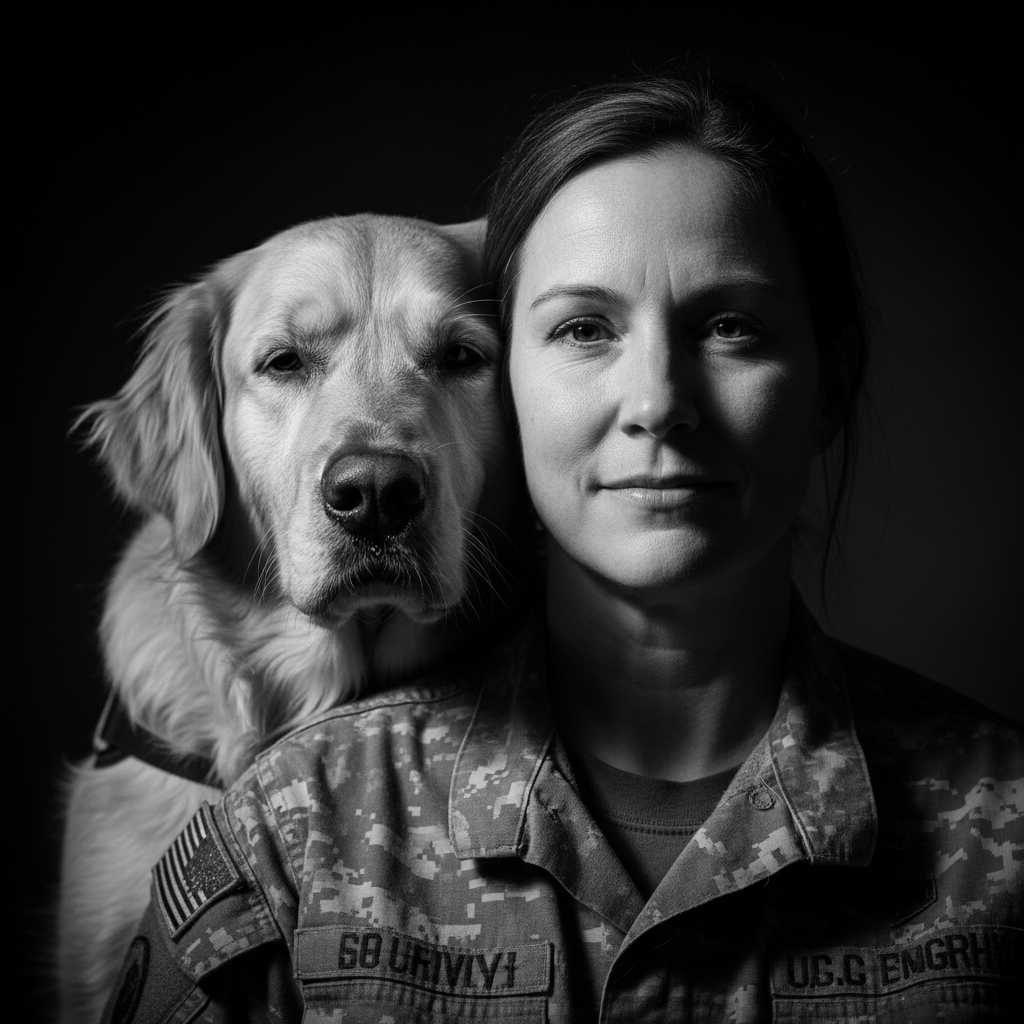
Mastering the VA Disability Claims Process: A Guide
Navigating VA disability claims can be complex. Learn how to secure your VA benefits, understand the C&P exam, and maximize your disability rating.
Navigating the VA Claims Process Successfully
For many service members transitioning to civilian life, securing VA disability benefits is a critical step in maintaining long-term wellness. Understanding the VA claims process is essential for receiving the disability compensation you deserve. Whether you are filing an initial claim or seeking to increase VA disability rating, preparation is the key to success.
Establishing Service Connection: The Foundation
To be eligible for VA benefits, you must establish a service connection. This means you have a current medical diagnosis that is linked to an event, injury, or disease that occurred during your military service. To prove this link, the VA requires strong VA evidence.
- A current medical diagnosis.
- Evidence of an in-service event or stressor.
- A medical nexus linking the two.
The Importance of Your C&P Exam
The C&P exam is perhaps the most important day of your claim. This examination is performed by a VA-contracted doctor who evaluates the severity of your conditions. To prepare, ensure you have your medical history organized and be prepared to articulate how your symptoms impact your daily life. Do not downplay your symptoms; honesty about your worst days is necessary for an accurate disability rating.
Building a Strong Case with Evidence
Simply stating that you have an injury is rarely enough. You need supporting documentation to strengthen your file. This often includes:
- Nexus Letter: A professional medical opinion linking your condition to military service.
- Buddy Statement: A lay statement from a fellow veteran or spouse who witnessed your injury or the progression of your symptoms.
- Military Records: Personnel files and service treatment records that document the initial injury or illness.
Special Considerations: PTSD, Tinnitus, and TDIU
Certain conditions carry unique requirements. For a PTSD VA claim, you must identify a specific stressor. For tinnitus VA claims, consistency in reporting and evidence of hazardous noise exposure are vital. If your service-connected conditions prevent you from maintaining substantially gainful employment, you may qualify for Total Disability Individual Unemployability (TDIU), which pays at the 100% rate despite a lower combined rating.
What if You Receive a Denial?
If the VA denies your claim, do not lose hope. The VA appeal process allows you to challenge the decision. You can submit a Supplemental Claim if you have new and relevant VA evidence, or request a Higher-Level Review if you believe there was a clear error in the initial decision. Knowing the current VA disability compensation rates can help you advocate for the appropriate financial support for your family.
Final Steps to Securing Your Future
Successfully navigating veteran healthcare and benefits requires patience and thoroughness. Whether you are filing a new claim or handling a complicated secondary connection, ensure every form is accurate and your evidence is compelling. If you are struggling with the complexities of these requirements, seeking expert guidance can make all the difference in your outcome.
Ready to take the next step in your VA journey? Contact our team today for a consultation to review your claim strategy and ensure you receive the benefits you earned through your service to our country.
RELATED TOPICS: