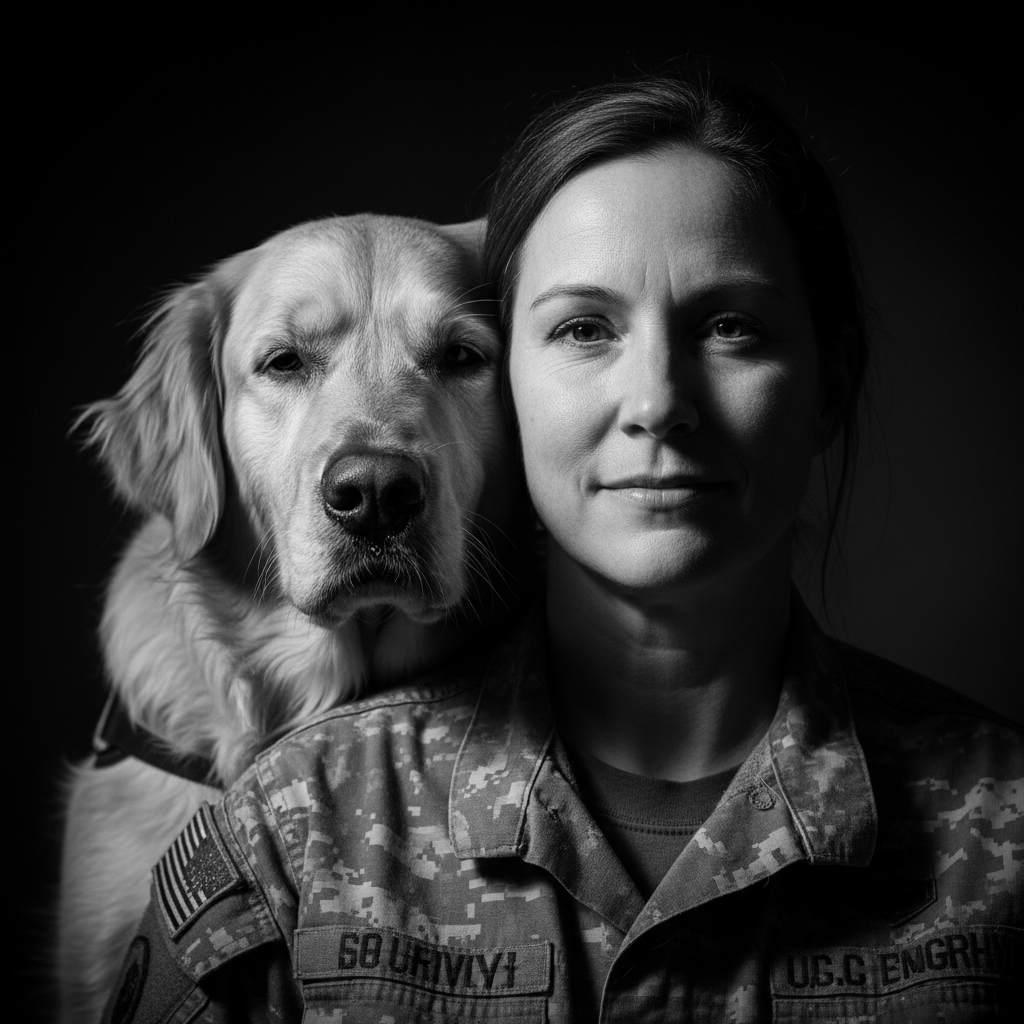
Mastering the VA Disability Claims Process: A Guide for 2026
Navigate the complexities of VA disability claims with our expert guide. Learn how to secure your benefits, prepare for your C&P exam, and maximize your rating.
Understanding the VA Disability Claims Process
Navigating the journey toward securing VA disability compensation can feel overwhelming. Whether you are a newly separated service member or a veteran looking to address long-standing health issues, understanding the VA claims process is your first step toward success. On this date of July 29, 2026, the system continues to evolve, making it more critical than ever to have robust VA evidence to support your file.
Defining Service Connection Requirements
To receive disability compensation, you must establish a service connected disability. This requires three distinct elements: a current medical diagnosis, evidence of an in-service event or injury, and a medical link known as a nexus letter. Without this critical link, the VA may deny your claim even if you have a documented history of symptoms.
Preparing for Your C&P Exam
The C&P exam (Compensation & Pension exam) is often the most stressful part of the journey. To prepare effectively, you should:
- Review your personal medical records and previous lay statement submissions.
- Be honest and descriptive about your worst days, not your best.
- Understand how your disability affects your daily life and employment.
- Prepare a buddy statement to provide corroborating evidence of your condition.
Maximizing Your Disability Rating
Many veterans wonder how to file VA disability claim updates to increase VA disability rating outcomes. The VA assigns a rating based on the severity of your symptoms. For instance, conditions like tinnitus VA claims are often rated at 10%, while PTSD VA claims can range from 0% to 100% depending on the level of occupational and social impairment. If your service-connected conditions prevent you from maintaining substantially gainful employment, you may be eligible for Total Disability Individual Unemployability (TDIU).
The Role of Evidence in VA Claims
Your claim is only as strong as the evidence you provide. Beyond medical records, consider gathering the following:
- Detailed buddy statements from peers who witnessed the initial injury.
- A professional nexus letter from a medical provider linking your current condition to service.
- Personal statements documenting the onset and progression of your symptoms.
What to Do If You Receive a Denial
If the VA denies your claim, do not lose hope. You have the right to a VA appeal. You can choose a supplemental claim, a higher-level review, or a board appeal. Understanding VA disability compensation rates and how your rating affects your overall veteran healthcare access is crucial during the appeals process.
Call to Action
Are you ready to take control of your VA benefits? Don't navigate the complex world of VA claims alone. Our team of experts is dedicated to helping veterans secure the compensation they deserve. Contact us today to schedule your consultation and build a winning strategy for your claim.
RELATED TOPICS: