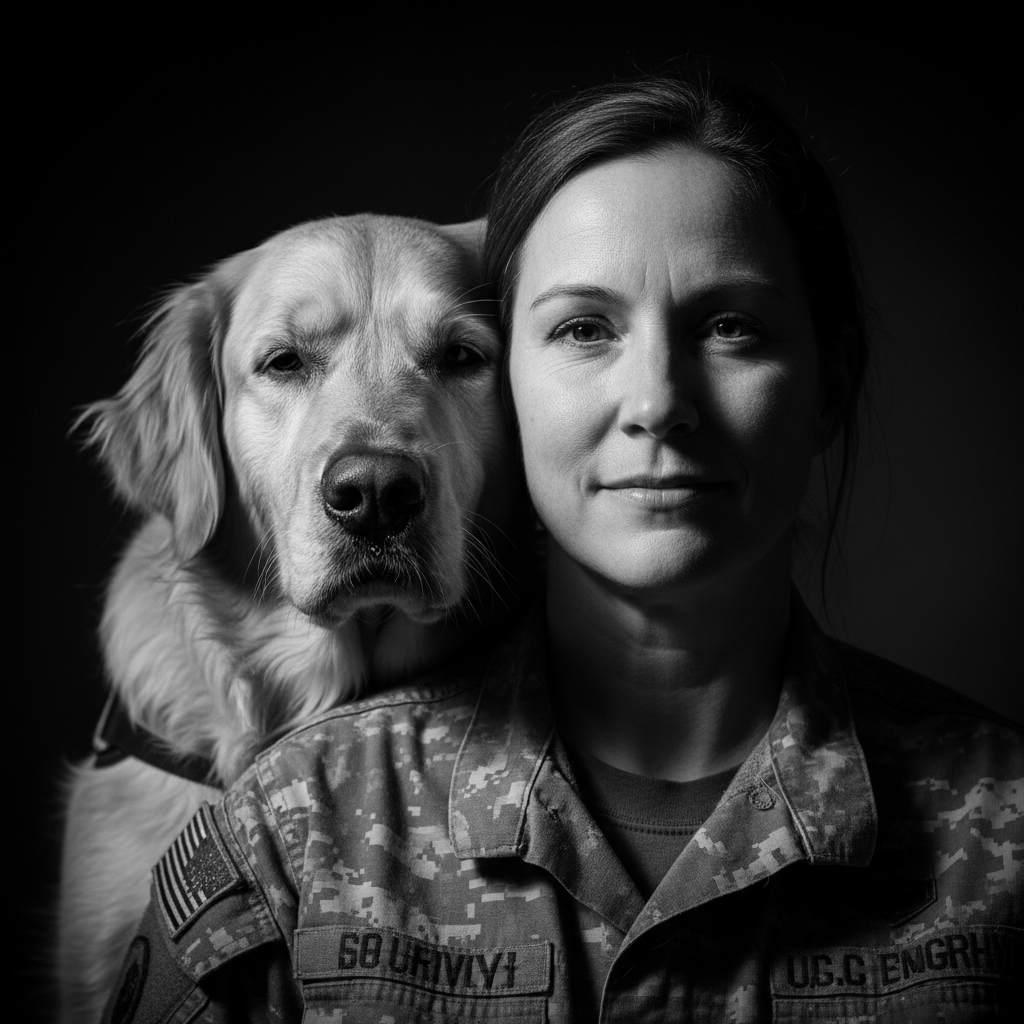
Mastering the VA Disability Claims Process: A Guide for Vets
Navigating the VA disability claims process can be daunting. Learn how to secure your service-connected disability benefits with our expert guide on evidence and strategy.
Navigating the VA Disability Claims Process
Securing VA disability benefits is a right earned through service, yet many veterans find themselves lost in the complex VA claims process. Whether you are filing an initial claim or seeking to increase VA disability rating levels, understanding the foundational requirements is critical to success. This guide provides a roadmap for securing your disability compensation.
Establishing Service Connection: The Three Pillars
To win a service connected disability claim, you must demonstrate three key elements to the Department of Veterans Affairs:
- A current diagnosis of a disability.
- Evidence of an in-service event, injury, or illness.
- A medical nexus linking the current condition to the in-service event.
Without a strong nexus letter, many claims are denied. A nexus letter acts as a bridge, providing the medical rationale necessary to prove your condition is at least as likely as not related to your military service.
The Role of VA Evidence and Statements
When you learn how to file VA disability claim paperwork, never underestimate the power of documentation. VA evidence isn't limited to medical records; it includes personal accounts that fill gaps in your history. A well-written buddy statement or lay statement can provide the missing context regarding how an injury occurred or how a condition like PTSD VA or tinnitus VA affects your daily life.
Preparing for the C&P Exam
The C&P exam is the most critical hurdle in your journey to obtaining veterans benefits. This examination is where the VA evaluates the severity of your condition. To prepare, ensure you have reviewed your private medical records and are prepared to discuss your functional limitations—not just your "good days." Remember, the examiner is there to report on the severity of your impairment as it pertains to your disability rating.
Advanced Compensation Strategies
If your service-connected conditions prevent you from maintaining substantially gainful employment, you may qualify for Total Disability Individual Unemployability (TDIU). This status allows veterans to be compensated at the 100% rate even if their combined disability rating is lower, provided their conditions render them unemployable.
What to Do If You Receive a Denial
If the VA denies your claim, you have the right to a VA appeal. You can choose from three decision review tracks:
- Higher-Level Review: A senior reviewer looks at the existing evidence again.
- Supplemental Claim: You submit new and relevant VA evidence to support your case.
- Board Appeal: An appeal to the Board of Veterans’ Appeals for a judge's review.
Maximize Your VA Benefits Today
Understanding the current VA disability compensation rates and how they apply to your specific situation is vital for your financial future and long-term veteran healthcare. Do not let the bureaucracy stand in the way of the benefits you earned. If you need assistance navigating your claim, contact a qualified veterans service organization or an accredited agent to advocate for your rights today.
Ready to take the next step? Contact our expert consulting team today for a comprehensive evaluation of your file and learn how we can help you build a winning strategy for your disability claim.
RELATED TOPICS: