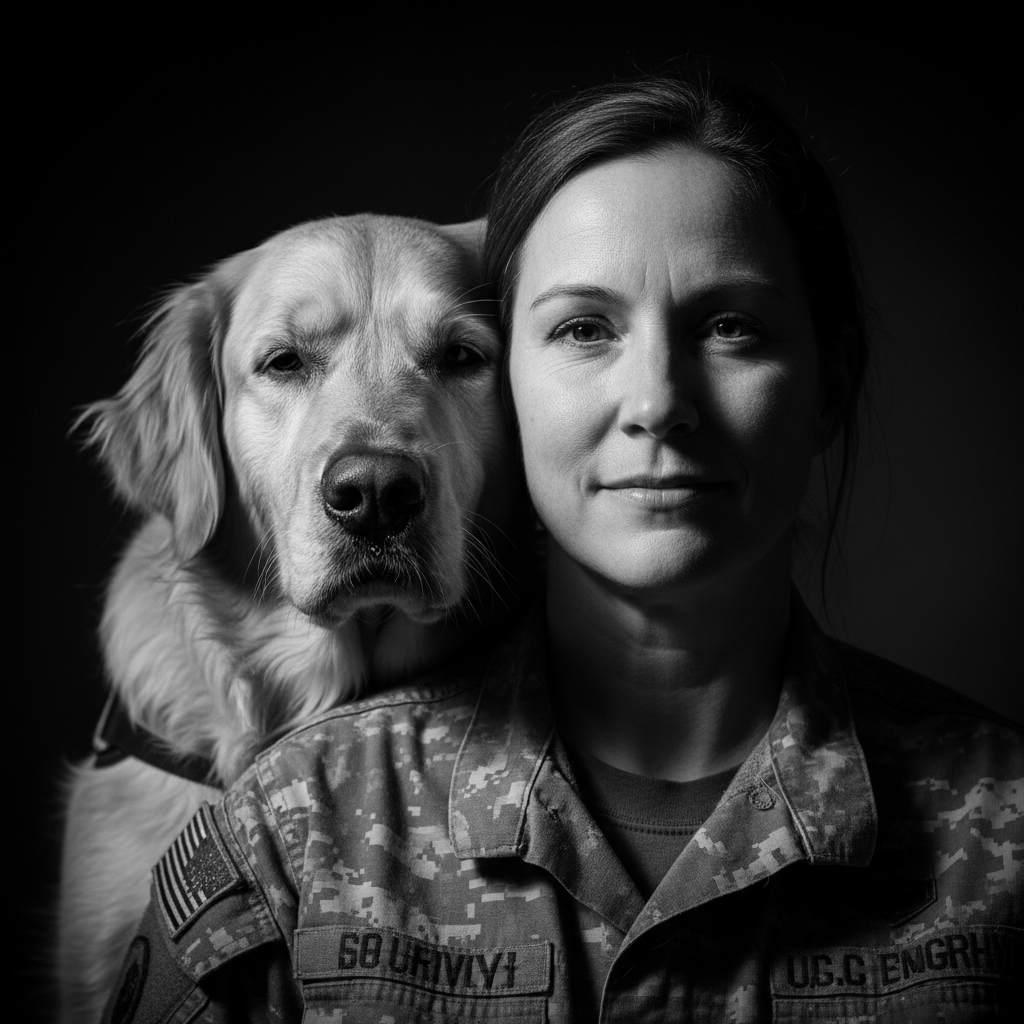
Mastering the VA Disability Claims Process: A Veteran Guide
Navigating VA disability claims can be complex. Learn how to secure your benefits with this comprehensive guide on service connection, evidence, and appeals.
Understanding the VA Disability Claims Process
Navigating the world of VA disability can feel like a daunting task, but understanding the VA claims process is the first step toward receiving the disability compensation you deserve. Whether you are filing an initial application or seeking to increase VA disability rating, having a clear strategy is essential for success.
Establishing a Service Connection
To win your claim, you must prove a service connected disability. This requires three distinct elements of VA evidence:
- A current diagnosis of a disability.
- Evidence of an in-service event, injury, or disease.
- A nexus letter or medical opinion linking your current condition to your military service.
Preparing for Your C&P Exam
The C&P exam is perhaps the most critical milestone in your claim. It is not a treatment visit; it is an evaluation for VA benefits. To prepare, ensure you have reviewed your medical records and are ready to articulate how your symptoms impact your daily life. Honest, consistent communication regarding your service connected disability is vital.
Leveraging Supplemental Evidence
Beyond medical records, you can strengthen your claim using lay evidence. A buddy statement or personal lay statement serves as powerful VA evidence to document symptoms that might not be fully captured in clinical notes. This is especially helpful for conditions like PTSD VA claims or tinnitus VA cases where subjective impact is significant.
Understanding VA Disability Ratings and Compensation
Your disability rating determines your monthly payment based on current VA disability compensation rates. If your combined rating prevents you from maintaining gainful employment, you may qualify for Total Disability Individual Unemployability (TDIU). This designation allows a veteran to be paid at the 100% rate even if their combined evaluation is less than 100%.
Steps to Successfully Navigate Your Claim
- Gather Medical Records: Collect all relevant veteran healthcare documents.
- Submit Your Intent to File: This locks in your potential effective date for back pay.
- Complete the Application: Use the official portal to learn how to file VA disability claim forms correctly.
- Submit Supportive Evidence: Include nexus letters and buddy statements to reinforce your claim.
- Monitor Status: Keep a close watch on the VA claims process via the online portal.
What to Do If Denied
If you receive a denial, do not lose hope. You have the right to file a VA appeal. Review your decision letter carefully to identify why the VA denied service connection, then gather the missing VA evidence to address those specific gaps. Whether you are filing for a supplemental claim, a higher-level review, or a board appeal, persistence is key.
Conclusion: Secure Your Future Today
You served your country; now let the system work for you. By systematically building your file with medical evidence, nexus letters, and clear statements, you significantly improve your chances of success. Do not navigate this alone—stay informed and advocate for the support you earned.
Are you ready to take the next step in your VA disability journey? Contact a certified VSO or legal expert today to ensure your claim is as strong as it can be.
RELATED TOPICS: