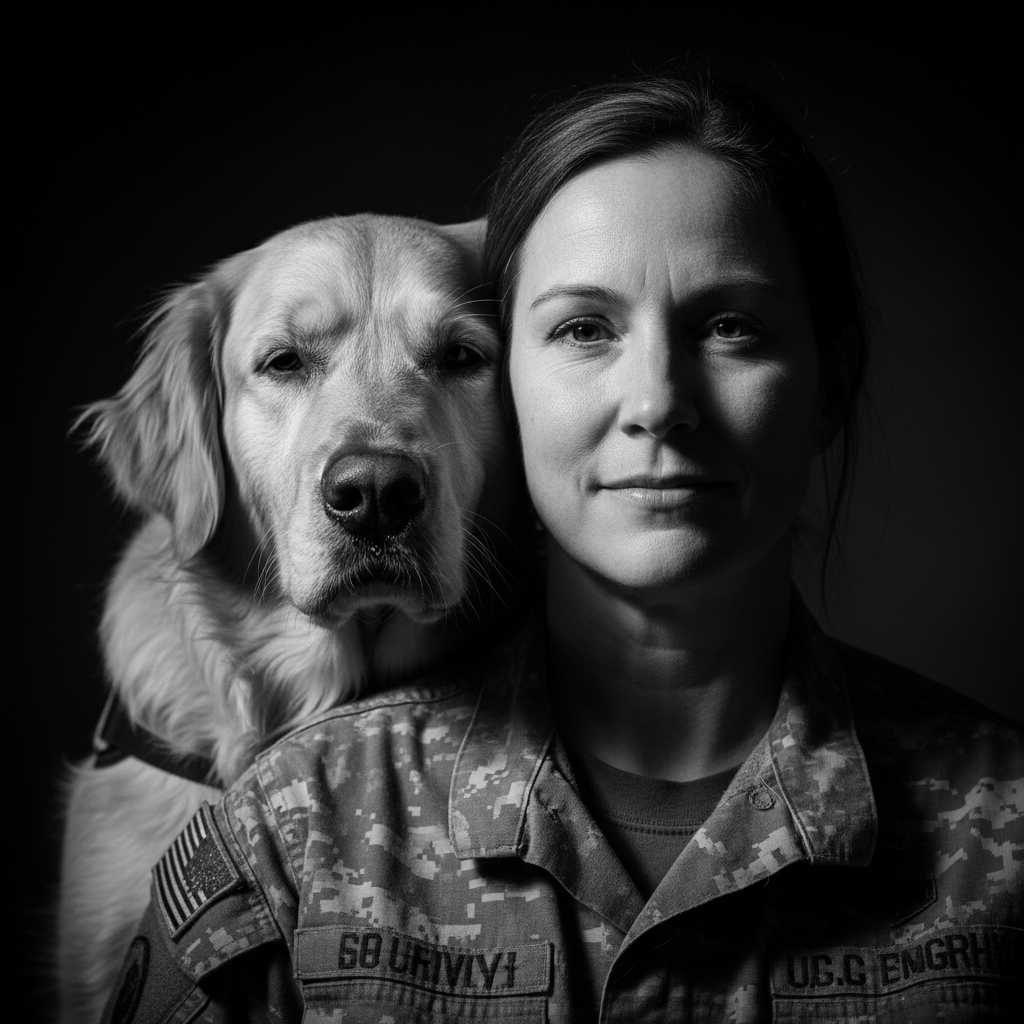
Mastering the VA Disability Claims Process: Expert Guide
Learn how to navigate the VA disability claims process effectively. From gathering VA evidence to your C&P exam, this guide covers everything you need.
Understanding the VA Disability Claims Process
Navigating the VA claims process can feel overwhelming, but understanding the steps is the first move toward securing the disability compensation you deserve. Whether you are filing for the first time or looking to increase VA disability rating, a strategic approach is essential. Veterans benefits are earned through your sacrifice, and ensuring your file is complete is the best way to prove your service connected disability.
How to File a VA Disability Claim Successfully
To successfully file a claim, you must demonstrate three core pillars of a service connection: a current diagnosis, an in-service event, and a nexus letter linking the two. Here is the standard workflow:
- Complete VA Form 21-526EZ to initiate your claim.
- Submit all medical records documenting your current health status.
- Prepare for your C&P exam, which is a critical part of the evaluation.
- Await your rating decision based on the VA disability compensation rates.
The Role of VA Evidence and Nexus Letters
The strength of your claim rests on VA evidence. Simply saying you have a condition is not enough; you must prove it. If the link between your military service and your current disability is not clear, you need a professional nexus letter. This medical opinion acts as a bridge, explaining how your service connection is medically plausible. In addition to medical records, personal accounts such as a buddy statement or lay statement can provide essential context regarding how an injury occurred or how it impacts your daily life.
Common Conditions: PTSD and Tinnitus
Many veterans struggle with invisible wounds. PTSD VA claims require specific stressors to be documented, often supported by personal statements. Similarly, tinnitus VA claims are common, though they require proof of occupational noise exposure. Both conditions play a major role in your overall disability rating.
What if Your Claim is Denied?
A denial is not the end of the road. You have the right to file a VA appeal. Whether you choose a Supplemental Claim, a Higher-Level Review, or an appeal to the Board, you have options to challenge an unfavorable decision. If your combined rating prevents you from working, you may even qualify for total disability, also known as individual unemployability (TDIU). This allows you to be paid at the 100% rate even if your scheduler rating is lower.
Maximizing Your Veteran Healthcare
Beyond monthly payments, your veteran healthcare benefits are vital for long-term recovery. Consistent treatment helps maintain the evidence needed if you ever need to apply for an increase in the future. Remember, the goal of the VA benefits system is to support those who served; do not be afraid to seek professional assistance to ensure your application reflects the true nature of your service-connected disabilities.
Take Control of Your Claim Today
The complexity of VA bureaucracy shouldn't keep you from the compensation you earned. Start by organizing your medical history, finding a qualified medical provider for your nexus letter, and ensuring your lay evidence is thorough. If you need personalized guidance on your specific case, reach out today to speak with our expert team and ensure your claim is positioned for success.
RELATED TOPICS: