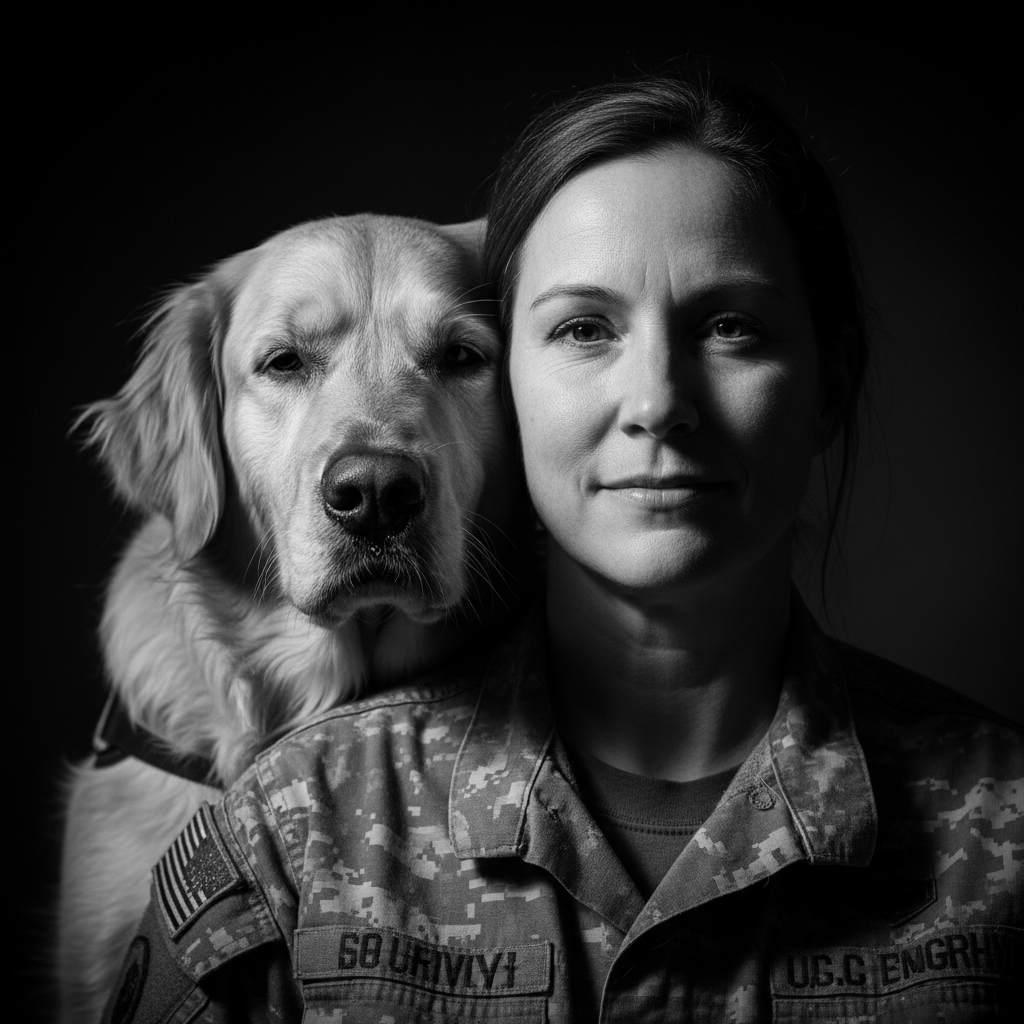
Mastering the VA Disability Claims Process: Expert Guide 2026
Navigate your VA disability journey with confidence. Learn how to strengthen your claim, prepare for C&P exams, and secure the benefits you earned.
Understanding the VA Disability Claims Process
Navigating the complex landscape of VA benefits can feel overwhelming. Whether you are wondering how to file a VA disability claim for the first time or looking to increase VA disability rating for an existing condition, understanding the fundamental VA claims process is your first step toward success.
The Core Requirements for Service Connection
To receive disability compensation, every veteran must establish a service connected disability. This requires three essential pillars of VA evidence:
- A current medical diagnosis of a disability.
- Evidence of an in-service event, injury, or disease.
- A medical nexus linking the current disability to the in-service event.
Without a strong nexus letter from a qualified medical professional, many claims are denied. This letter bridges the gap between your military service and your current health status.
Preparing for Your C&P Exam
The C&P exam is a critical component of the VA claims process. During this appointment, an examiner evaluates the severity of your conditions to determine your disability rating. To prepare effectively:
- Review your medical records thoroughly.
- Be honest about your "worst days" rather than your average day.
- Bring any relevant buddy statement or lay statement to support your functional limitations.
Leveraging Supplemental Evidence
Never rely solely on your military records. Modern VA claims require robust documentation. Use a buddy statement from fellow service members to corroborate the onset of symptoms for conditions like PTSD VA or tinnitus VA. These personal accounts provide the context that medical records sometimes miss.
Understanding Disability Ratings and Compensation
Your disability rating directly dictates your monthly VA disability compensation rates. Ratings are assigned based on the severity of symptoms and their impact on your ability to work or perform daily tasks.
When You Cannot Work: TDIU
For veterans whose service-connected conditions prevent them from maintaining substantial gainful employment, Total Disability Individual Unemployability (TDIU) may be an option. TDIU allows a veteran to be paid at the 100% rate even if their combined disability rating is less than 100%.
What to Do After a Denial
If you receive an unfavorable decision, do not give up. The VA appeal process allows you to challenge incorrect findings. Whether you choose a Higher-Level Review, a Supplemental Claim, or an appeal to the Board of Veterans' Appeals, ensure you have gathered fresh VA evidence to support your case.
Conclusion: Secure the Benefits You Earned
Your health and financial security are paramount. Whether you are addressing veteran healthcare needs for PTSD VA, seeking help for tinnitus VA, or fighting for the compensation you deserve, knowledge is your greatest asset. If you are struggling with your claim, seek professional guidance to ensure your documentation is airtight.
Ready to take the next step? Contact our expert team today for a comprehensive evaluation of your claim and let us help you secure the disability compensation you have earned through your service.
RELATED TOPICS: