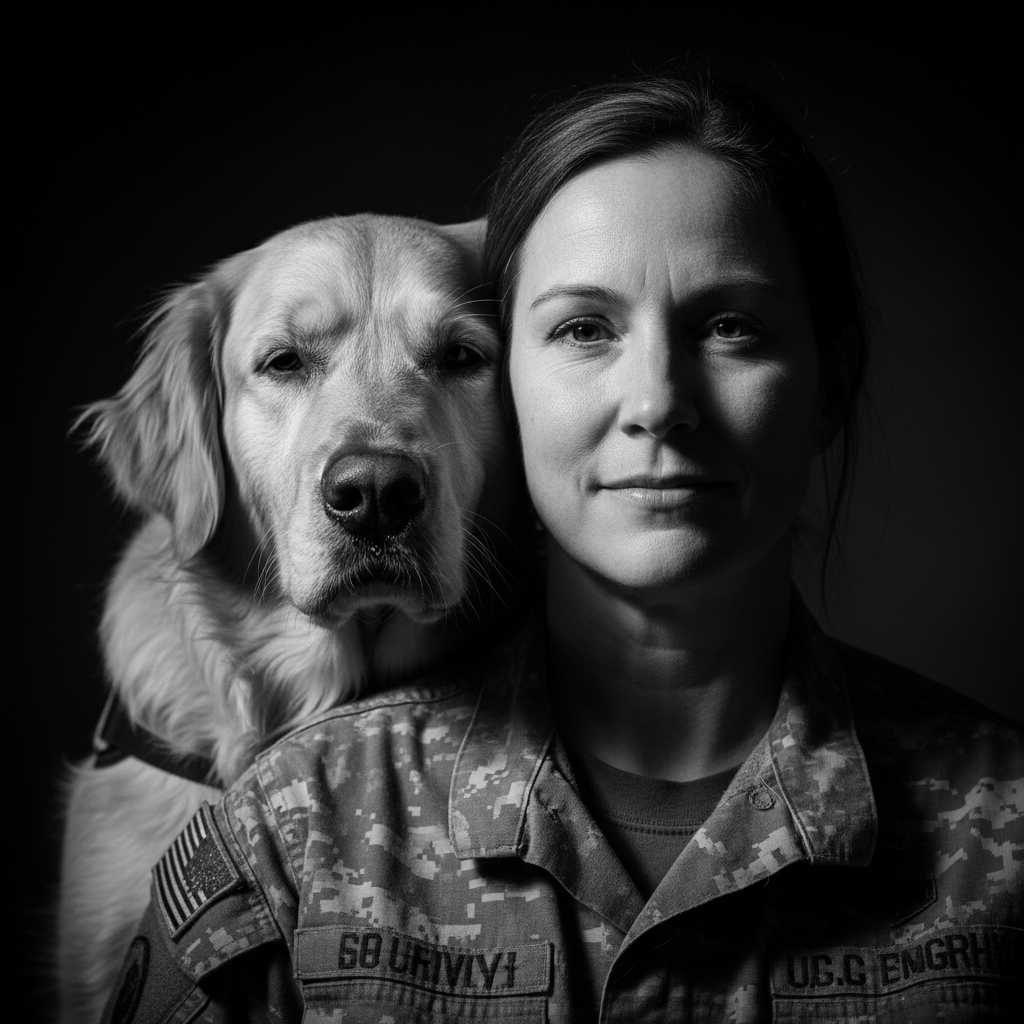
Mastering the VA Disability Claims Process: Expert Guide 2026
Learn how to navigate the complex VA disability claims process, from gathering VA evidence to securing your benefits. Unlock your path to compensation today.
Understanding the VA Claims Process
Navigating the VA claims process can feel overwhelming for many veterans. Understanding how to file a VA disability claim correctly is the first step toward securing the disability compensation you earned through your service. Whether you are filing an initial claim or looking to increase VA disability rating, being informed is your best defense.
The Core Requirements for Service Connection
To establish a service connected disability, the Department of Veterans Affairs requires three specific elements:
- A current diagnosis of a disability.
- Evidence of an in-service event, injury, or illness.
- A nexus letter or medical opinion linking your current condition to your military service.
Maximizing VA Evidence
Your VA evidence is the backbone of your case. Beyond medical records, you should utilize buddy statements and lay statements to provide context to your daily struggles. A strong buddy statement can corroborate your symptoms, especially in cases involving PTSD VA claims or chronic physical pain. These documents help provide a clearer picture to the rater.
Preparing for Your C&P Exam
The C&P exam is a critical juncture in the VA benefits evaluation. You must be prepared to articulate how your symptoms impact your work and social life. Many veterans underestimate the importance of this exam. Remember that the examiner is looking for objective data; ensure you are honest about your worst days, not just your best.
Strategies for Secondary Claims and TDIU
If your condition prevents you from maintaining gainful employment, you may be eligible for Total Disability Individual Unemployability (TDIU). This allows you to be paid at the 100% rate even if your combined disability rating is lower. Additionally, consider if your primary conditions have caused secondary issues, such as hearing loss related to tinnitus VA or secondary mental health issues.
The Importance of the VA Appeal
If you receive an unfavorable decision, you have the right to file a VA appeal. The appeals process is complex, but with the right documentation and perhaps legal assistance, many veterans successfully overturn denials. Ensure you review the decision letter thoroughly to understand the specific gaps in evidence that led to the denial.
Checklist for a Successful Claim
- Conduct a thorough medical review of your service treatment records.
- Obtain a current medical diagnosis from a private physician.
- Draft strong buddy statements to support your claim.
- Submit your claim online via the VA portal and track it regularly.
- Prepare for the C&P exam by documenting your specific limitations.
Your service deserves recognition and support. By proactively managing your veteran healthcare needs and utilizing professional resources, you can ensure your disability compensation accurately reflects your level of impairment.
Next Steps for Your Benefits
If you are struggling with the complexities of the VA system, do not wait. Start gathering your records today. If you need assistance understanding VA disability compensation rates or need help drafting a nexus letter, reach out to an accredited representative. Empower yourself to claim the benefits you deserve.
RELATED TOPICS: