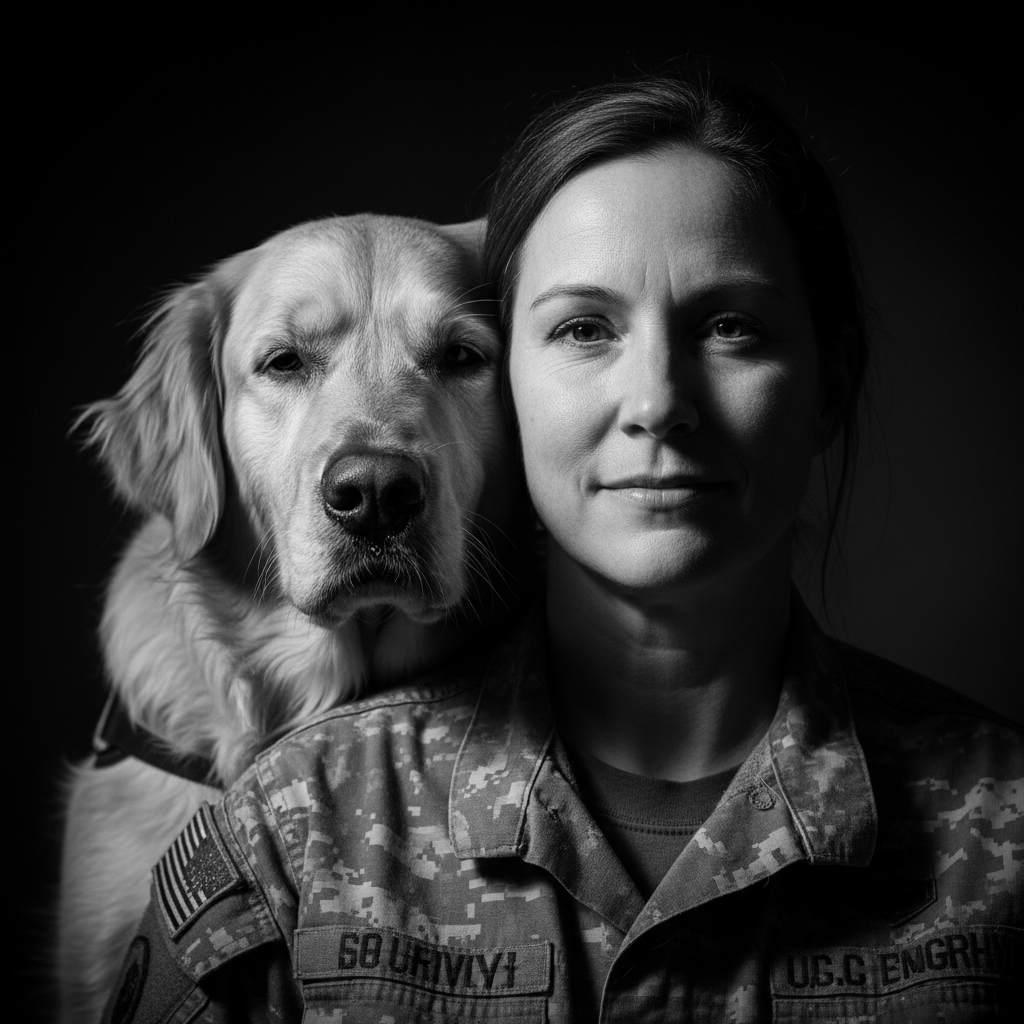
VA Disability Claims: A Comprehensive Guide to Winning Benefits
Navigating the VA claims process can be daunting. Learn how to secure your disability compensation, understand service connection, and prepare for your C&P exam.
Mastering the VA Disability Claims Process
For many veterans, securing the VA disability compensation they earned through their service is a complex journey. Understanding the VA claims process is the first step toward receiving the support you deserve. Whether you are filing an initial claim or seeking to increase VA disability rating, preparation is the key to success.
Establishing Your Service Connection
The foundation of any successful claim is a service connected disability. To establish this, you must provide VA evidence that proves three key elements:
- A current medical diagnosis of a disability.
- Evidence of an in-service event, injury, or disease.
- A medical "nexus" linking the current condition to the in-service event.
Without a strong nexus, your claim is likely to be denied. This is where a nexus letter from a qualified medical professional becomes an invaluable asset, bridging the gap between your military service and your current health status.
Preparing for Your C&P Exam
The C&P exam (Compensation & Pension exam) is often the most critical hurdle in your claim. This examination provides the VA with the medical data necessary to assign a disability rating. To prepare effectively:
- Review your medical records thoroughly so you can speak accurately about your symptoms.
- Be honest about your "worst days" rather than your "best days."
- Bring any relevant buddy statement or lay statement to support your accounts of daily impact.
Common Conditions and Higher Ratings
Many veterans suffer from specific conditions that are frequently claimed, such as PTSD VA and tinnitus VA. While these are common, they still require rigorous documentation. If your condition prevents you from maintaining gainful employment, you may qualify for total disability based on individual unemployability (TDIU). This allows veterans to receive 100% compensation rates even if their combined disability rating is technically lower than 100%.
Navigating VA Appeals and Denials
If you receive a decision you disagree with, do not lose hope. The VA appeal process has been streamlined under the Appeals Modernization Act. You can choose between a Supplemental Claim, a Higher-Level Review, or an appeal to the Board of Veterans' Appeals. Having a robust set of VA evidence is your best defense against a denial.
Final Tips for Success
Understanding VA disability compensation rates and how they apply to your specific situation is vital for long-term financial planning. Ensure you utilize veteran healthcare resources to maintain a continuous record of your condition, as continuity of care is powerful evidence. Remember, the goal is to provide the VA with a clear, undeniable link between your service and your current disability.
Need help with your claim? Don't face the VA alone. Contact an accredited representative today to review your records, strengthen your evidence, and fight for the veterans benefits you earned.
RELATED TOPICS: