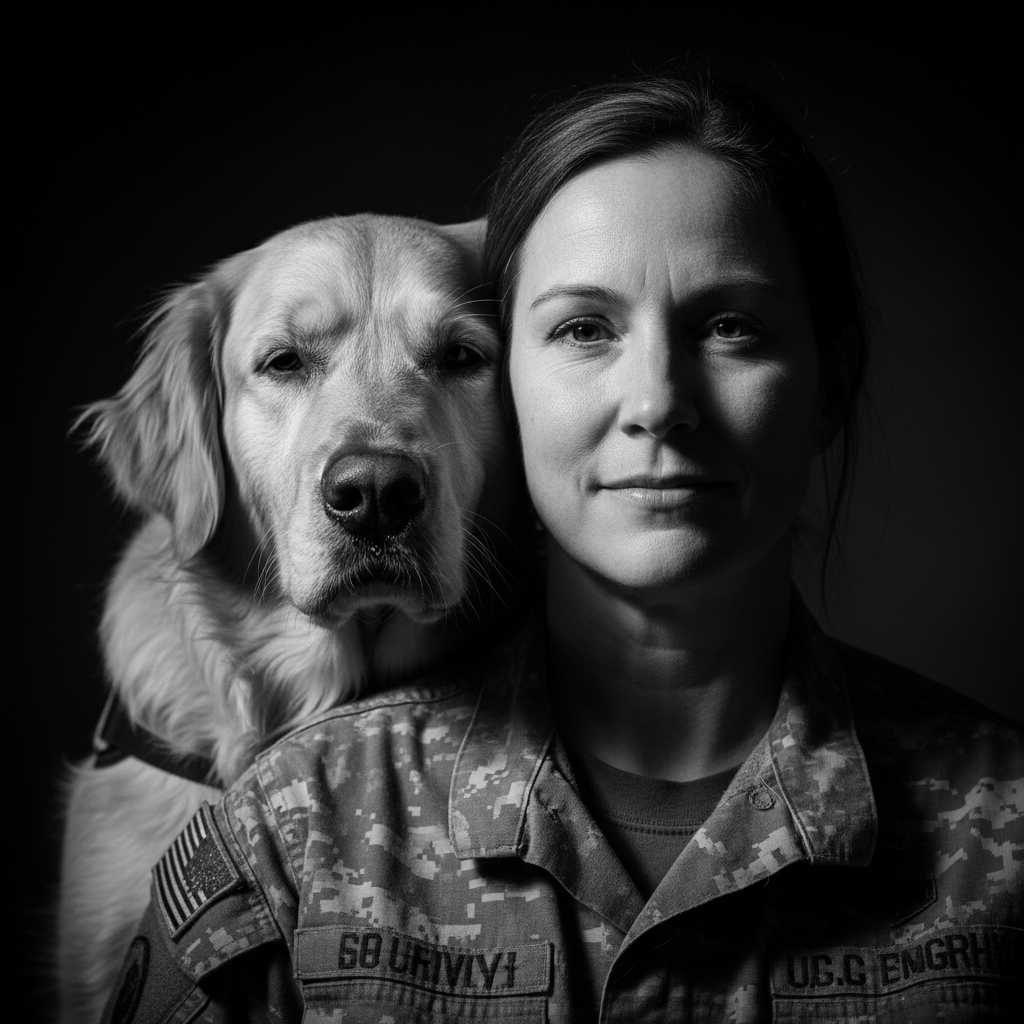
VA Disability Claims Process: Your Step-by-Step Guide 2026
Master the VA disability claims process with our expert guide. Learn how to secure your benefits, understand C&P exams, and strengthen your service connection.
Navigating the VA Disability Claims Process
For many veterans, understanding how to file a VA disability claim can feel like an overwhelming bureaucratic hurdle. However, securing your rightful disability compensation is a vital step toward long-term financial security and veteran healthcare access. Whether you are filing an initial claim or looking to increase VA disability rating, the key to success lies in preparation and understanding the VA evidence requirements.
Establishing a Service Connection
At the heart of every successful claim is a service connected disability. To win your claim, the VA requires three essential elements: a current diagnosis, an in-service event or injury, and a medical nexus letter linking the two. Without this nexus, the VA will likely deny your claim even if you suffer from debilitating conditions like PTSD VA or tinnitus VA. Documenting your symptoms early is critical.
Step-by-Step: The VA Claims Process
Understanding the VA claims process is vital to avoiding common pitfalls. Follow these steps to improve your chances:
- Gather Your Evidence: Collect medical records, personnel files, and any relevant buddy statement or lay statement documents.
- Submit Your Intent to File: This preserves your effective date, ensuring you don't miss out on retroactive pay.
- Prepare for the C&P Exam: The Compensation and Pension exam is the most critical stage. Be prepared to explain how your condition impacts your daily work and life.
- Review the Rating Decision: Once your claim is processed, you will receive a disability rating. If you disagree, you have the right to initiate a VA appeal.
Maximizing Your Disability Compensation Rates
VA disability compensation rates are determined by your final disability rating, which ranges from 0% to 100%. If your combined conditions prevent you from maintaining substantial gainful employment, you may be eligible for Total Disability Individual Unemployability (TDIU). This allows you to receive compensation at the 100% rate even if your scheduler rating is lower. Many veterans find that secondary service connection—linking a new condition to an already service-connected one—is an effective way to boost their overall rating.
Leveraging VA Evidence Effectively
Evidence is the bedrock of your claim. Do not rely solely on your military records. Supplemental evidence, such as a strong buddy statement from a comrade, can provide the missing link regarding the severity of an injury. When dealing with mental health conditions, ensure your clinical notes clearly document how your symptoms manifest in both your personal and professional life. If the VA denies your claim, do not be discouraged. Use the VA appeal process to submit new and relevant evidence that addresses the specific reasons for the denial.
Final Thoughts and Next Steps
Securing veterans benefits is a journey that requires patience and attention to detail. Whether you are dealing with hearing loss or mental health challenges, you do not have to navigate this system alone. By understanding the VA disability landscape, you can ensure your voice is heard and your sacrifices are recognized. If you are ready to move forward, contact our team today for a comprehensive evaluation of your claim status and let us help you secure the compensation you deserve.
RELATED TOPICS: