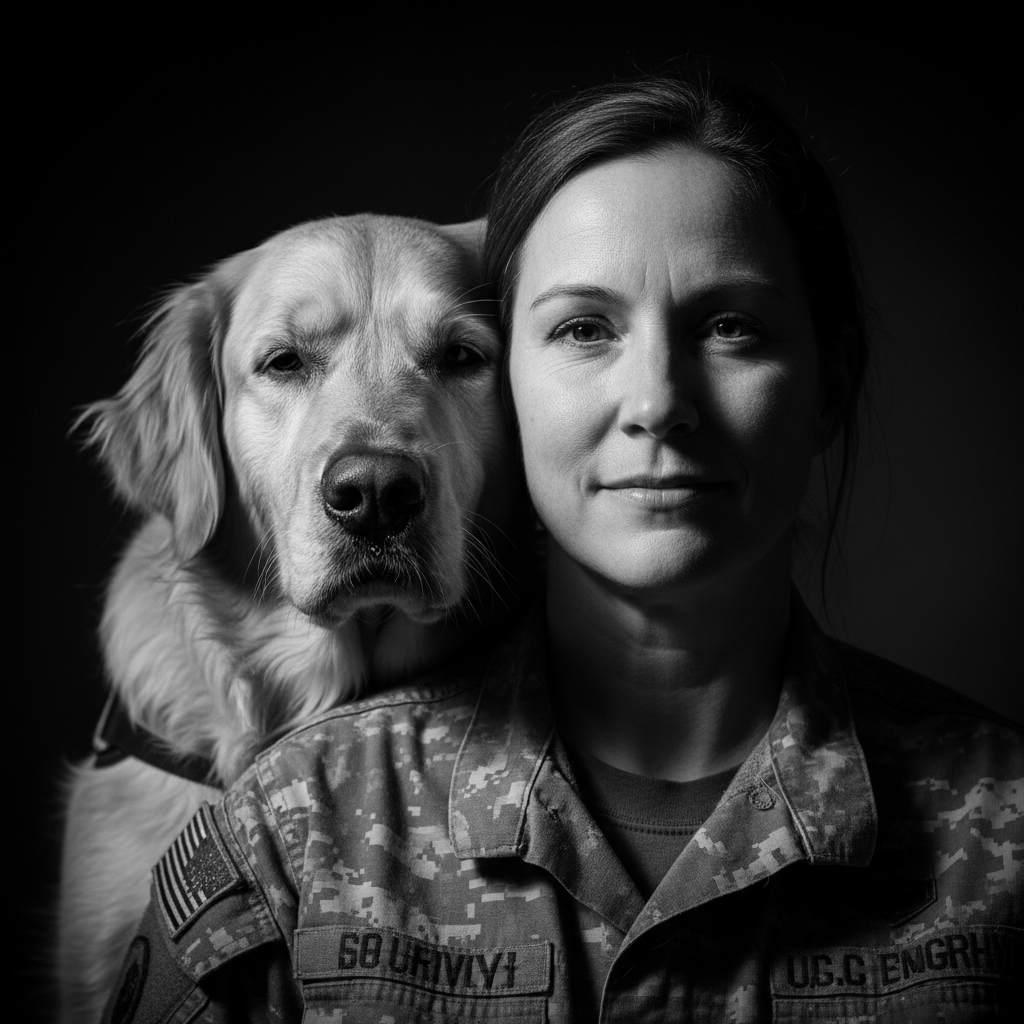
VA Disability Claims: The Ultimate Guide for Veterans
Learn the essential steps to navigate VA disability claims, secure your service connection, and maximize your disability compensation effectively.
Navigating the VA Disability Claims Process
Securing VA disability benefits can often feel like an uphill battle. Whether you are filing an initial claim or seeking to increase VA disability rating, understanding the VA claims process is vital. As of July 2026, the Department of Veterans Affairs continues to refine how veterans benefits are processed, making organized VA evidence more important than ever.
Establishing Your Service Connection
To succeed, you must establish a service connected disability. This requires three core pillars: a current diagnosis, an in-service event or injury, and a nexus letter linking the two. If you are filing for conditions like PTSD VA or tinnitus VA, your medical records must clearly demonstrate a bridge between your active duty service and your current state.
Mastering the C&P Exam and VA Evidence
The C&P exam is a critical juncture in your journey for disability compensation. It is not just a standard medical appointment; it is a clinical evaluation used to determine your disability rating. Preparation is key.
Actionable Tips for Your C&P Exam
- Review your military personnel file and service treatment records before the appointment.
- Be honest about your "worst days" rather than your average day.
- Bring a buddy statement or lay statement to support your claim regarding how the disability impacts your daily life.
- Clearly articulate how your condition affects your social and occupational functioning.
The Importance of Lay Evidence
Never underestimate the power of a well-written buddy statement. These documents provide first-hand accounts of your struggle, filling gaps where medical records might be incomplete. When combined with strong VA evidence, they significantly bolster your service connection arguments.
Managing Appeals and Special Classifications
If you receive a denial, do not be discouraged. The VA appeal process exists specifically to address errors in adjudication. For veterans whose disabilities prevent them from maintaining substantial gainful employment, total disability individual unemployability (TDIU) may provide the financial security they need, even if their combined disability rating is less than 100%.
When to Consider TDIU
Total disability status through individual unemployability is an essential pillar of VA benefits. You may qualify if:
- You have at least one service-connected disability rated at 60% or more, or two or more disabilities with a combined rating of 70% or more.
- You are unable to maintain substantially gainful employment due to those conditions.
- Your employment history shows consistent struggles related to your service-connected issues.
Maximize Your Success Today
Understanding VA disability compensation rates and how to present your case is the first step toward getting the support you earned. Whether you are learning how to file VA disability claim or preparing for a secondary condition claim, consistency and clinical documentation are your best tools. Prioritize your veteran healthcare needs and ensure your records reflect the true nature of your disability.
Need professional help with your VA disability claim? Contact our team of experts today for a comprehensive evaluation of your medical evidence and help securing the compensation you deserve.
RELATED TOPICS: