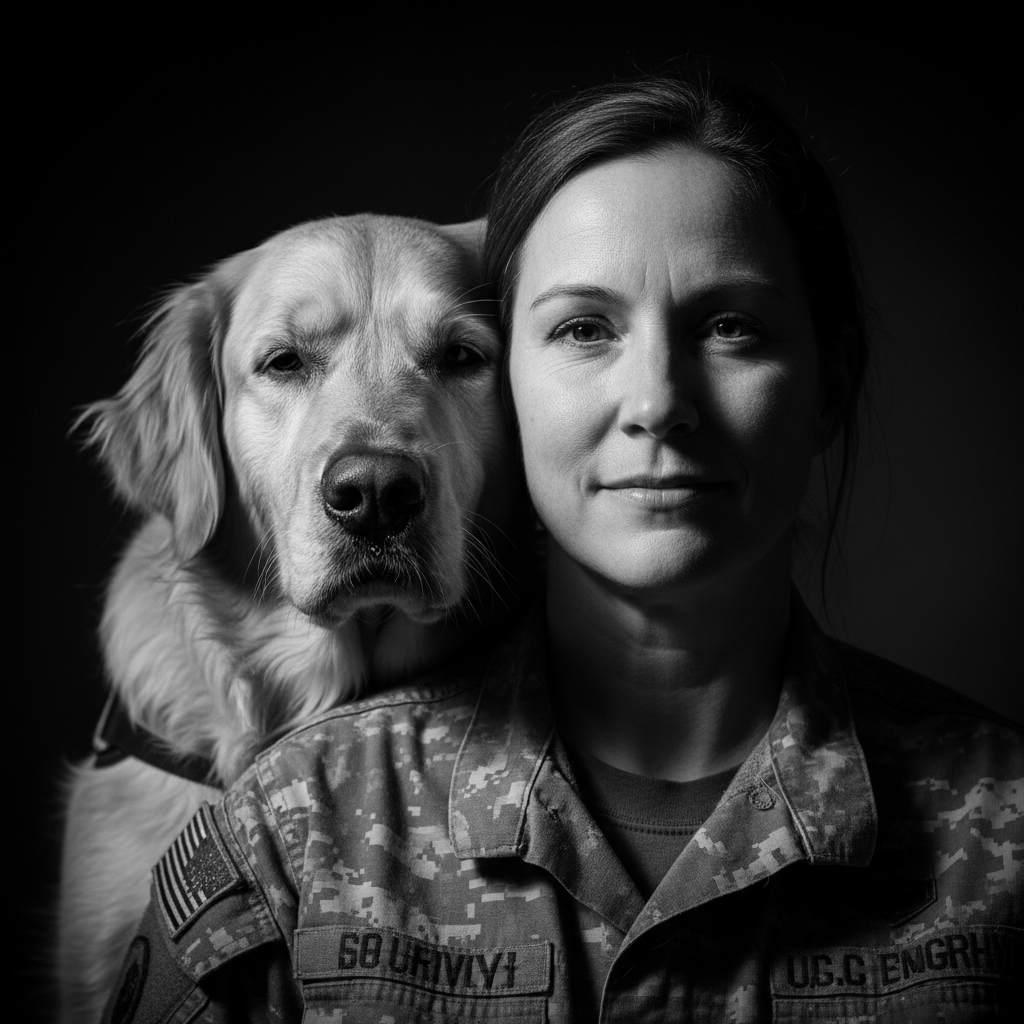
VA Disability Claims: Your Guide to Benefits & Success
Navigate the VA disability claims process with confidence. Learn how to file, understand service connection, C&P exams, and maximize your VA benefits.
Mastering Your VA Disability Claims: A Comprehensive Guide for Veterans
As a veteran, you've served our nation, and you deserve to receive the full VA benefits you've earned. The VA disability system is designed to compensate you for conditions that were caused or aggravated by your military service. However, navigating the VA claims process can often feel overwhelming. This comprehensive guide aims to demystify VA claims, offering actionable advice to help you secure the disability compensation you rightfully deserve. We'll cover everything from understanding service connection to preparing for your C&P exam and what to do if your claim is denied.
Understanding VA Disability Compensation
VA disability compensation is a tax-free monthly payment provided to veterans who have a disability or illness that was incurred or aggravated during active military service. The amount of compensation depends on your disability rating, which is determined by the VA based on the severity of your condition. These veterans benefits are crucial for managing healthcare costs and maintaining financial stability.
How to File a VA Disability Claim: The VA Claims Process
Successfully filing a VA disability claim involves several key steps. The VA has streamlined the process, but diligence and thorough preparation are essential.
- Gather Your Evidence: This is the most critical step. Collect all relevant medical records, service records, and any other documents that support your claim. This includes VA evidence like doctor's notes, hospital records, and treatment history.
- Complete the Claim Form: The primary form is VA Form 21-526EZ, "Application for Disability Compensation and Related Benefits." You can file online through the VA's eBenefits portal, by mail, or with the help of an accredited representative.
- Submit Your Claim: Ensure all required forms and evidence are submitted. The VA will review your application and evidence.
- Attend Your C&P Exam: If the VA requires further medical evaluation, you'll be scheduled for a Compensation & Pension (C&P) exam.
- Receive a Decision: The VA will review all evidence, including your C&P exam results, and issue a decision on your claim.
Establishing Service Connection
To be eligible for VA disability compensation, you must establish service connection. This means proving that your disability or illness is related to your military service. There are three main ways to establish service connected disability:
- Direct Service Connection: The condition was directly incurred during service.
- Aggravated Service Connection: A pre-existing condition was made worse by your service.
- Secondary Service Connection: A condition that arose during service is now causing or aggravating another condition. For example, diabetes could lead to vision problems, or back pain could lead to depression.
The Importance of the C&P Exam
The C&P exam is a crucial part of the VA claims process. It's a medical examination conducted by a VA or contracted healthcare provider to evaluate the severity of your service-connected condition. Proper preparation can significantly impact your claim's outcome.
- Be Prepared: Bring all relevant medical records, including private treatment records.
- Be Honest and Specific: Describe your symptoms accurately, including how they affect your daily life, work, and relationships.
- Ask Questions: Don't hesitate to ask the examiner questions about the exam or their role.
- Follow Up: If you need to provide additional information, ensure it's submitted promptly.
Understanding Your VA Disability Rating
Your disability rating is expressed as a percentage from 0% to 100%, in increments of 10%. This rating determines the amount of disability compensation you receive. The VA uses the Schedule for Rating Disabilities to evaluate conditions. Some common conditions veterans experience include PTSD VA and tinnitus VA.
- PTSD Claims: Documenting the traumatic event, its impact on your mental health, and seeking professional treatment are vital.
- Tinnitus & Hearing Loss: These are common service-connected conditions. The VA typically has specific criteria for awarding ratings for these issues.
Appeals and Denials: What to Do If Your Claim is Denied
If your VA claim is denied, don't give up. You have the right to file a VA appeal. Understanding the VA's decision and gathering new evidence are key. Common reasons for denial include insufficient evidence, lack of service connection, or not attending a C&P exam. You can pursue one of three options:
- Supplemental Claim: Submit new and relevant evidence not previously considered by the VA.
- Higher-Level Review: Have a senior VA reviewer look at your original claim without new evidence.
- Board Appeal: Request a review by the Board of Veterans' Appeals.
Building Strong VA Evidence
Strong VA evidence is the backbone of any successful claim. This can include:
- Medical Records: Both VA and private treatment records.
- Nexus Letter: A letter from a medical professional linking your condition to your military service. This is especially crucial for establishing service connection, particularly for conditions that manifest years after service.
- Buddy Statement: A written statement from a fellow service member who can attest to your condition or an event that occurred during service.
- Lay Statement: A statement from a friend, family member, or former coworker who can describe how your condition affects your life. These lay statements and buddy statements can provide valuable context that medical records may miss.
Increasing Your VA Disability Rating
If your condition worsens, you may be eligible to increase VA disability rating. This requires submitting evidence of the increased severity of your condition, often through updated medical records and potentially another C&P exam.
Total Disability Individual Unemployability (TDIU)
For some veterans, their service-connected disabilities prevent them from maintaining substantially gainful employment. In such cases, veterans may be eligible for Total Disability Individual Unemployability (TDIU). This benefit pays at the 100% disability rate, even if your combined rating is lower, provided you can prove your service-connected conditions make it impossible to work. This often requires extensive evidence demonstrating your inability to maintain employment.
Accessing Veteran Healthcare
Beyond financial compensation, VA benefits include access to comprehensive veteran healthcare. This includes medical treatment, mental health services, and prescriptions related to your service-connected conditions. Ensuring you receive the care you need is as important as securing the financial compensation.
Take Action Today!
The VA disability system can be complex, but understanding the process and preparing thorough evidence are your keys to success. Don't miss out on the veterans benefits you've earned. If you need assistance with your VA claims, consider consulting with an accredited Veterans Service Organization (VSO) or an accredited claims agent. Your service deserves recognition and compensation. Start gathering your evidence and take the first step towards securing your deserved benefits today!
RELATED TOPICS: